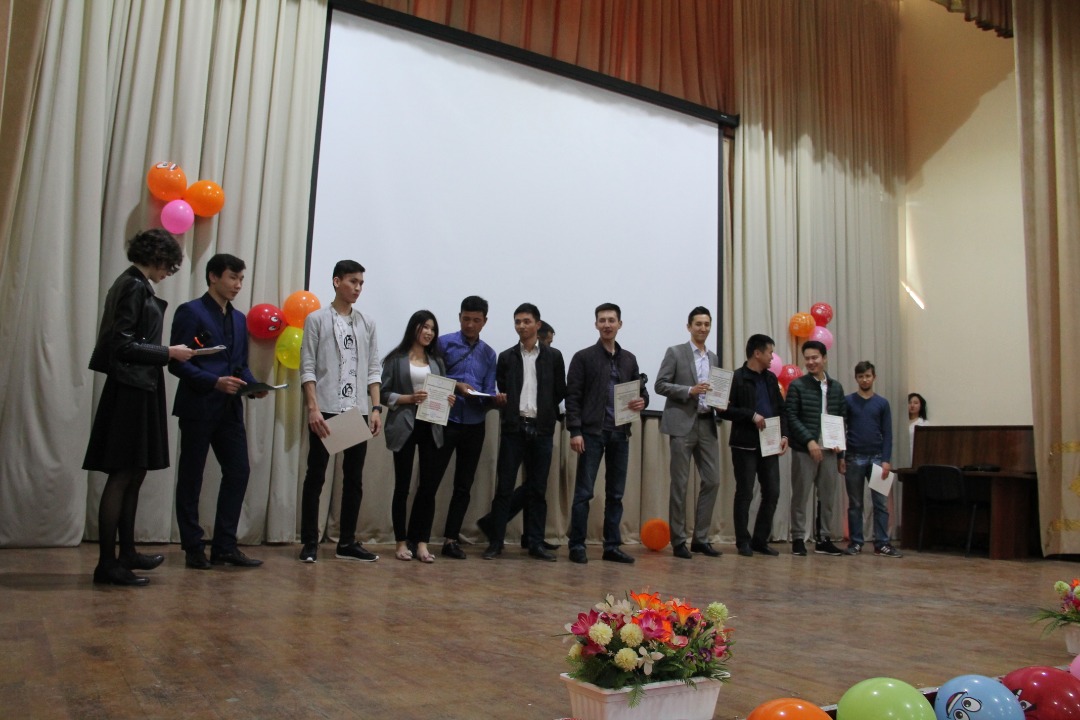
Social life of the department
Social life of the department
Organization of educational activities;
The department's social life is an important component of its educational and training activities. It fosters a corporate culture, develops the professional and personal qualities of students and faculty, and strengthens ties with external organizations and the professional community.
The main areas of social activities of the department
1. Educational work with students
conducting curatorial hours;
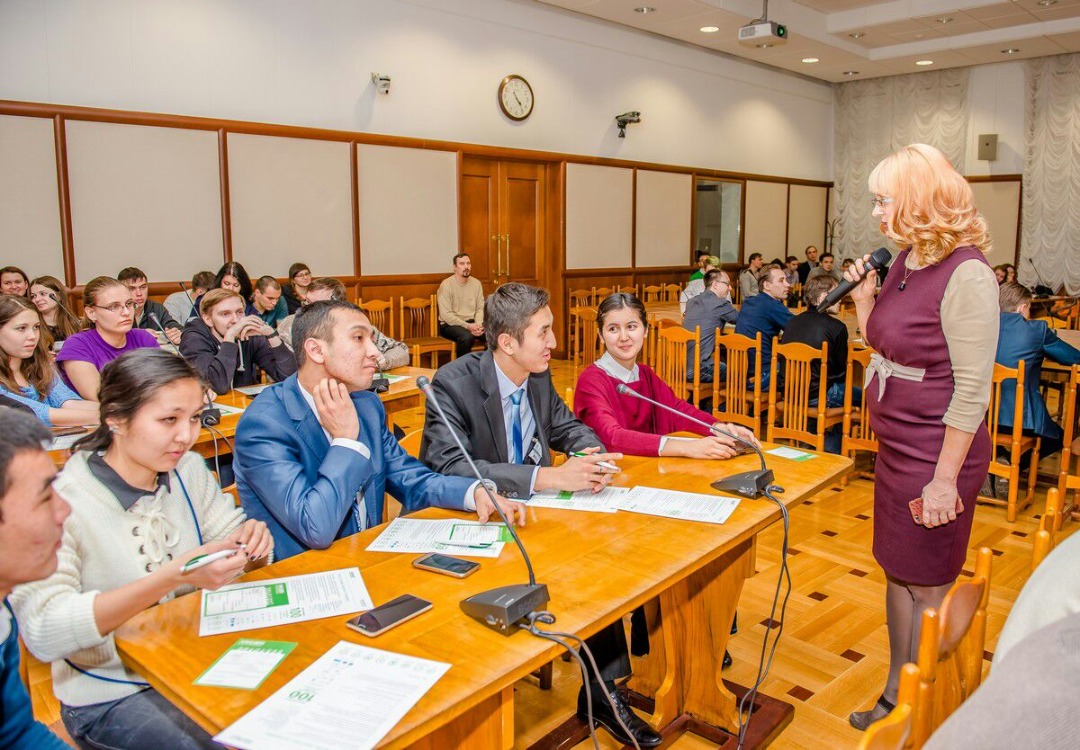
organizing meetings with graduates and representatives of industry enterprises;
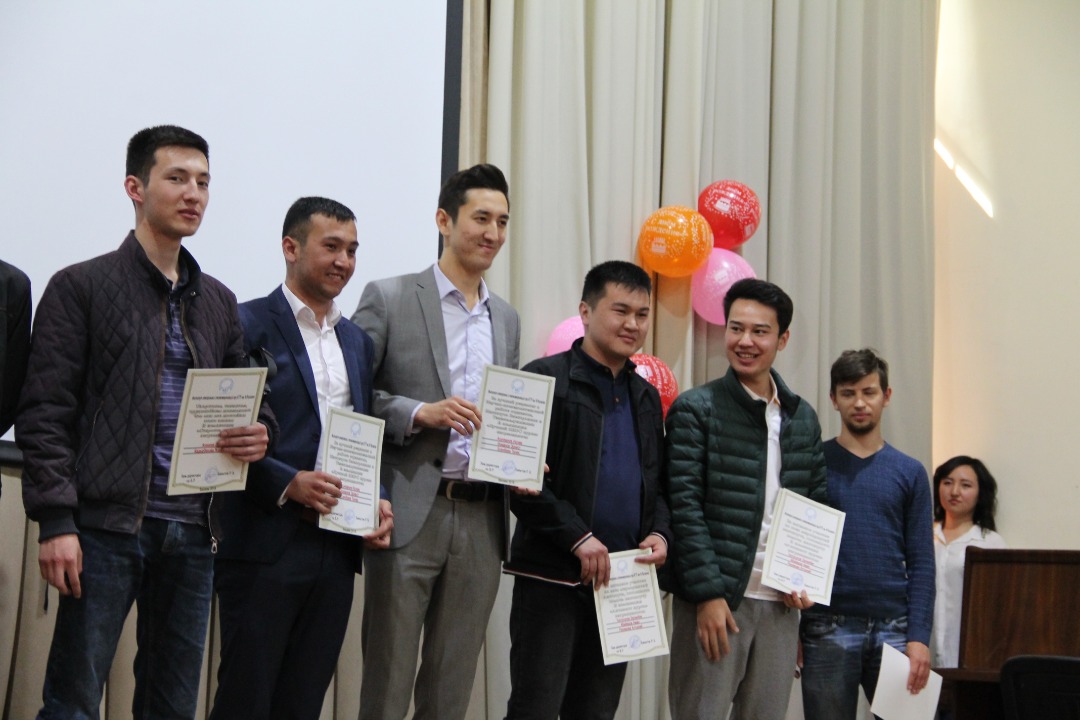
participation of students in scientific paper competitions, olympiads, projects;
supporting first-year students during the adaptation period.
2. Cultural events
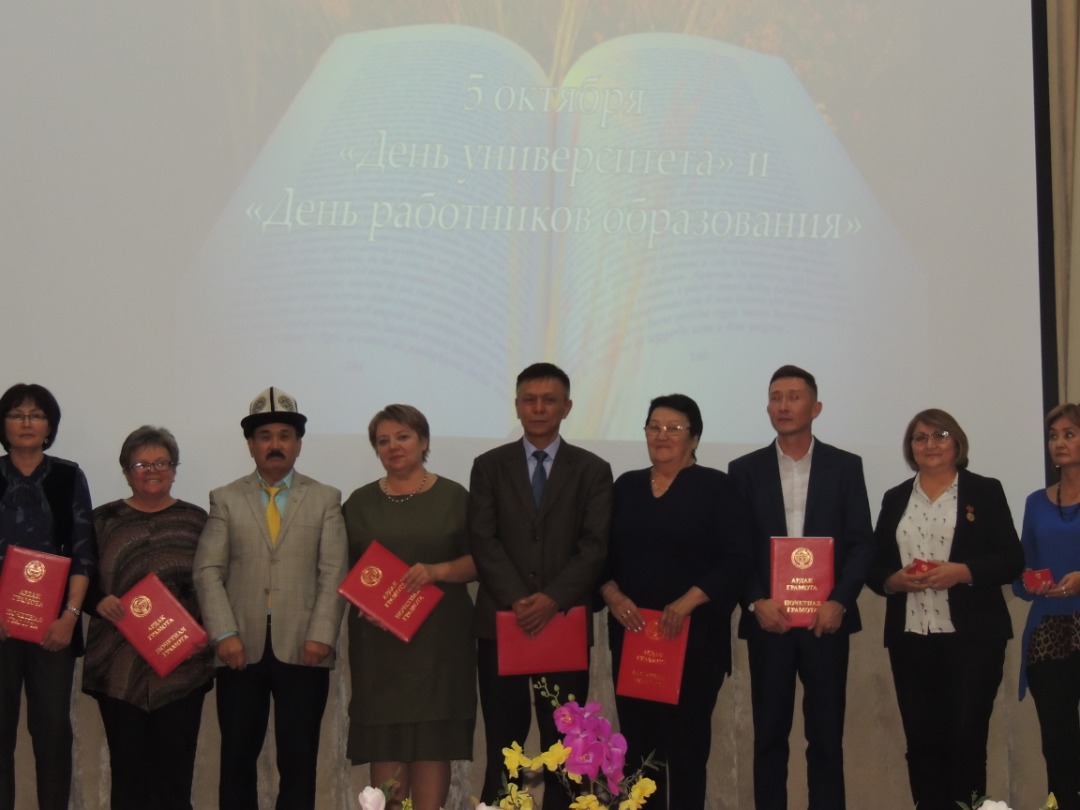
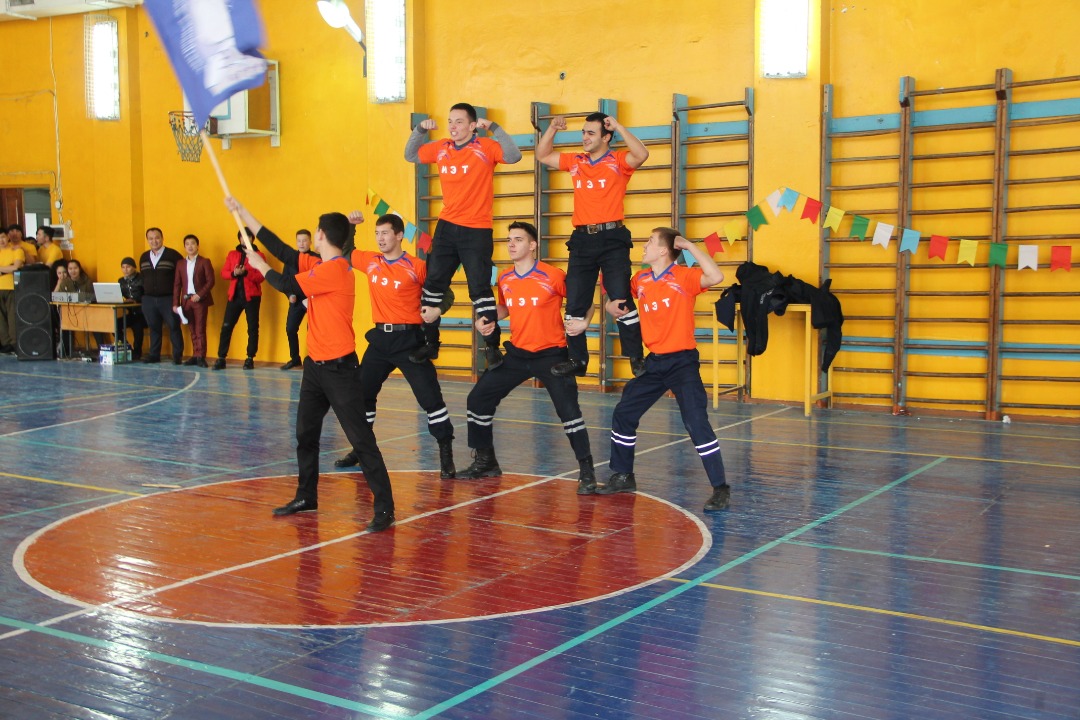
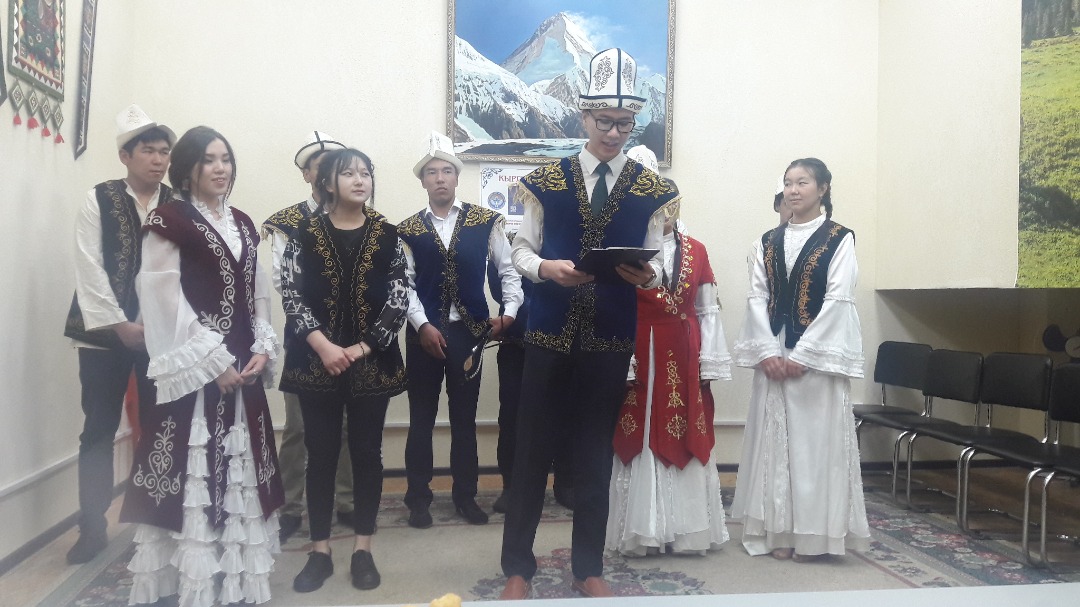
participation of the department in university holidays and festivals (“Student Spring”, “Initiation into Students”, etc.);
organization of theme evenings, exhibitions, master classes;
celebration of professional dates and anniversaries.
3. Sports and health-preserving activities
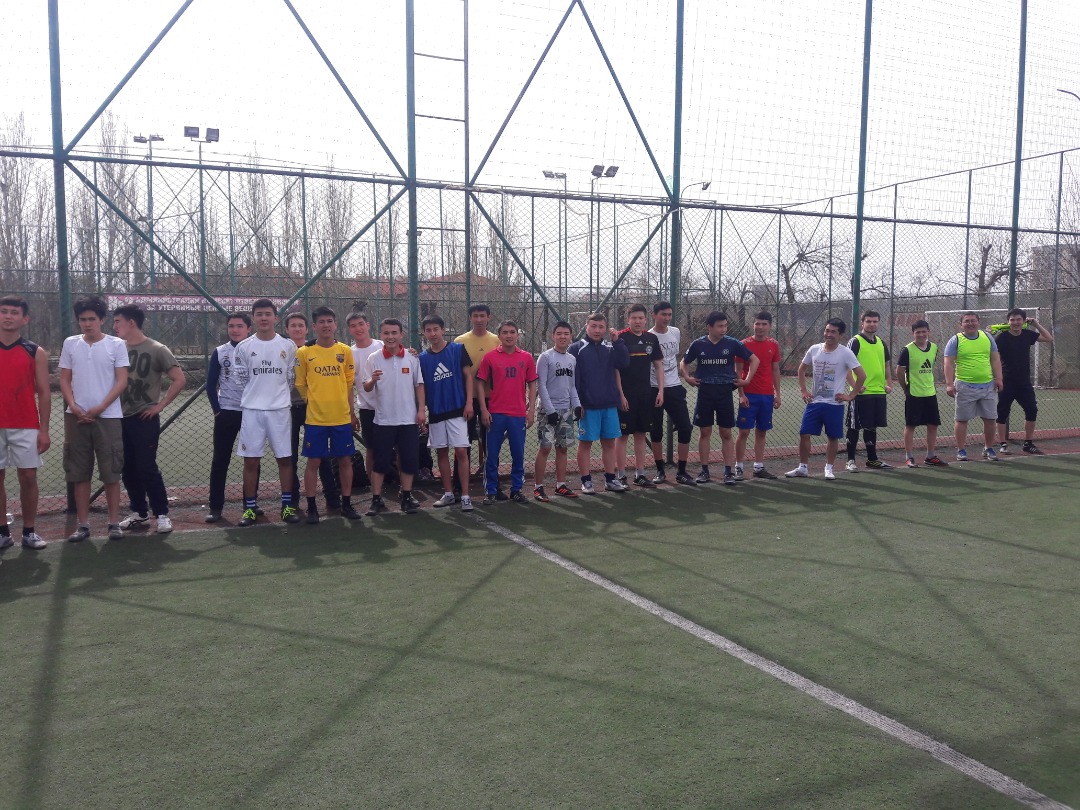
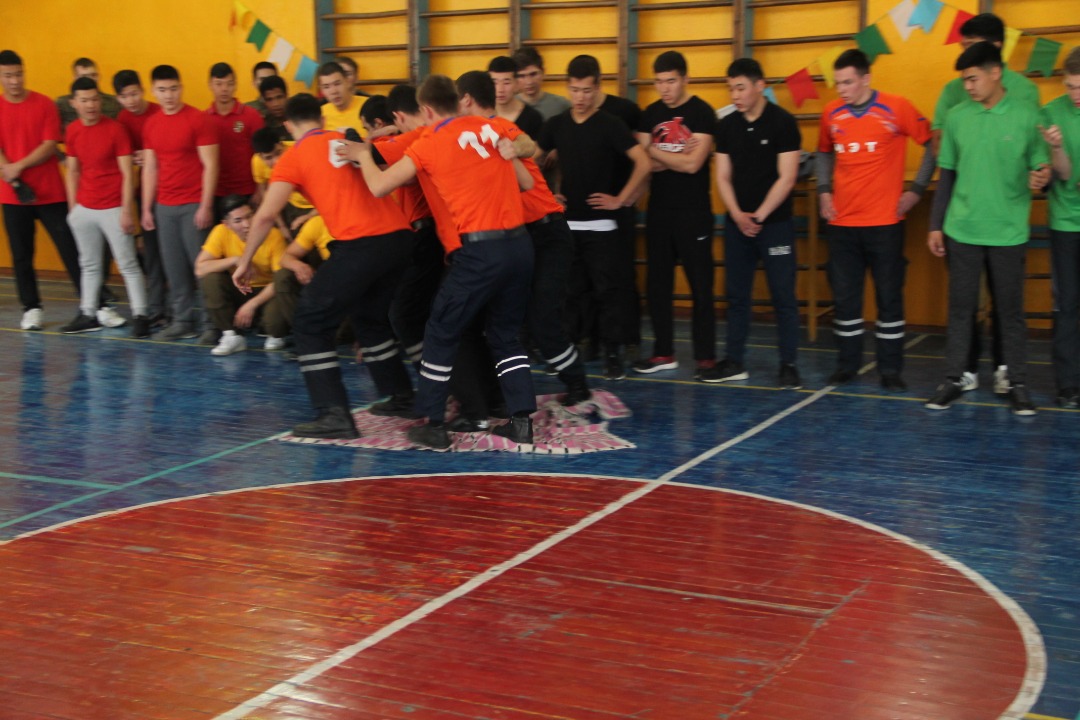
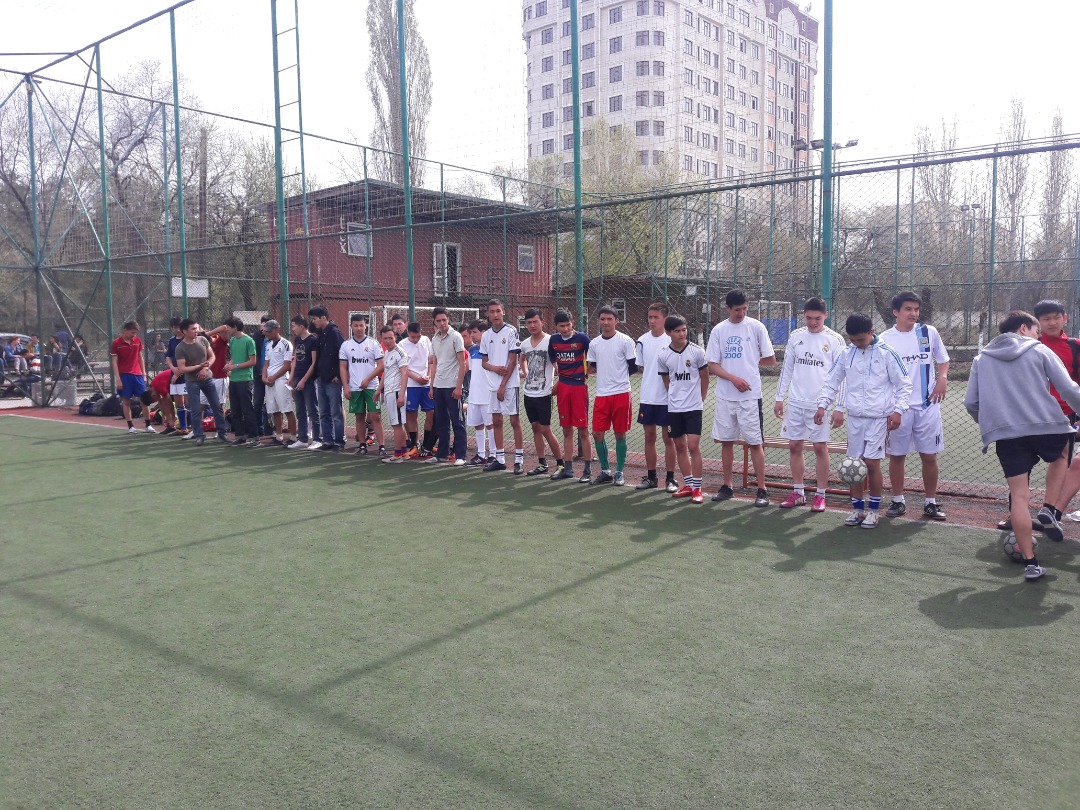
participation of department teams in institute/university sports competitions;
organizing hiking trips, sports days and health events;
support for healthy lifestyle initiatives.
4. Volunteering and social projects
participation of teachers and students in volunteer activities;
conducting career guidance events in schools;
charity projects.
5. Student government
active work of the department's headmen and student activists;
participation in the Faculty Student Council;
students initiating their own projects and events.
6. Professional communities and popularization of science
organization of departmental seminars and open lectures;
participation in conferences, forums, exhibitions;
career guidance work and popularization of engineering/information science specialties among schoolchildren.
The department's work plan is drawn up at the beginning of the academic year and approved at a department meeting. It includes all activities (specialist training, student development activities, quality improvement activities, a research plan, and a comprehensive student development plan) conducted within the department.
The implementation of the work plan items is reviewed monthly at department meetings.
The department carries out educational work with students both through the mentoring system and within the framework of extracurricular work with students.
There is a curatorial work plan, which is approved at department meetings. The department head oversees the review process.
The basis of educational work at the department is the work of curators.
LIST
curators of the Department of Electronics and Infocommunication Technologies
Group | Number of students | Full name of the curator |
1st year | ||
ITSS(b)-1-25 | 25 | Senior Lecturer T.S. Chepasheva |
ITSS(b)-2-25 | 25 | Art. Rev. Keldibekova A.K. |
ITSS(b)-3-25 | 25 | Senior Lecturer Alibaeva G.K. |
2well | ||
ITSS(b)-1-24 | 26 | Rev. Kurmanbekova K.B. |
ITSS(b)-2-24 | 27 | Senior Lecturer Alibaeva G.K. |
ITSS(b)-3-24 | 21 | Senior Lecturer Vanyukov A.Yu. |
RT(b)-1-24 | 3 | Art. Rev. Mukambetova M.K. |
3rd year | ||
ITSS(b)-1-23 | 23 | Rev. Bakytova A.I. |
RT(b)-1-23 | 9 | Senior Lecturer T.S. Chepasheva |
4th year | ||
ICT(b)-1-22 | 22 | Rev. Kurmanbekova K.B. |
IVTS(b)-1-2 2 | 1 9 | Art. Rev. Keldibekova A.K. |
RT ( b )-1-22 | 1 3 | Art. Rev. Mukambetova M.K. |
Фотографии кафедры ИКТ