The international cooperation
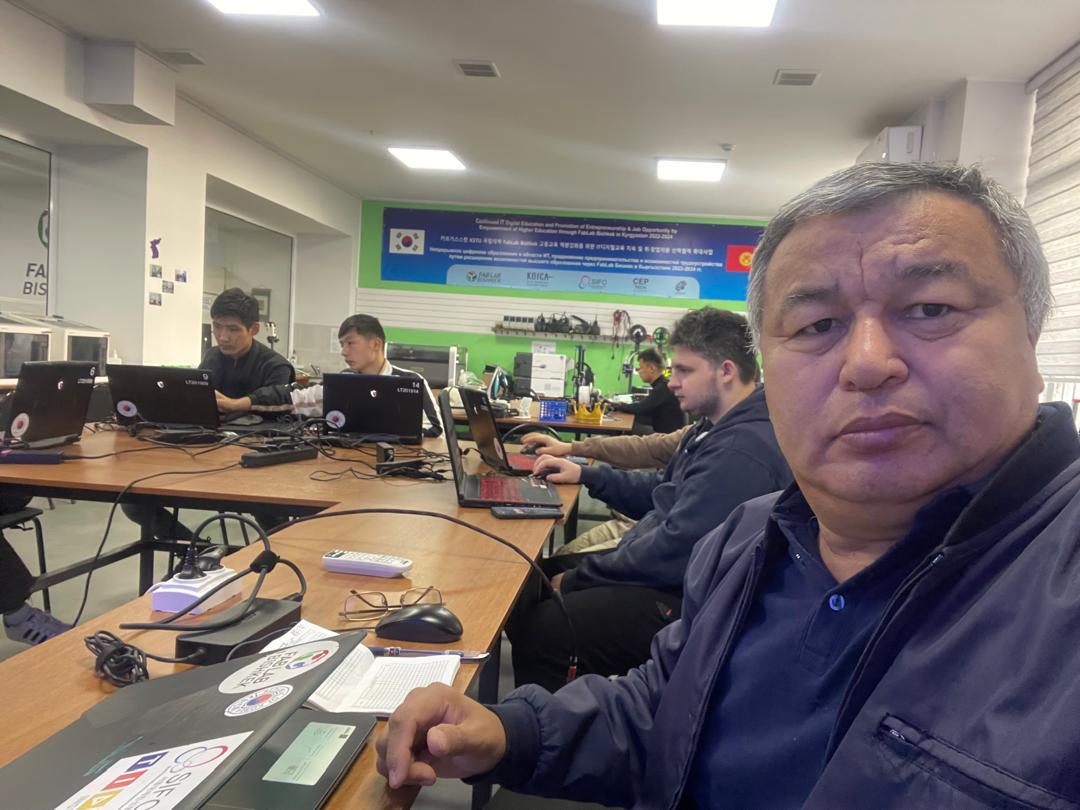
Fablab Bishkek Seoul International Friendship Organization (SIFO) and the TIDE Institute, in close cooperation with our Department of Architecture and Urban Planning
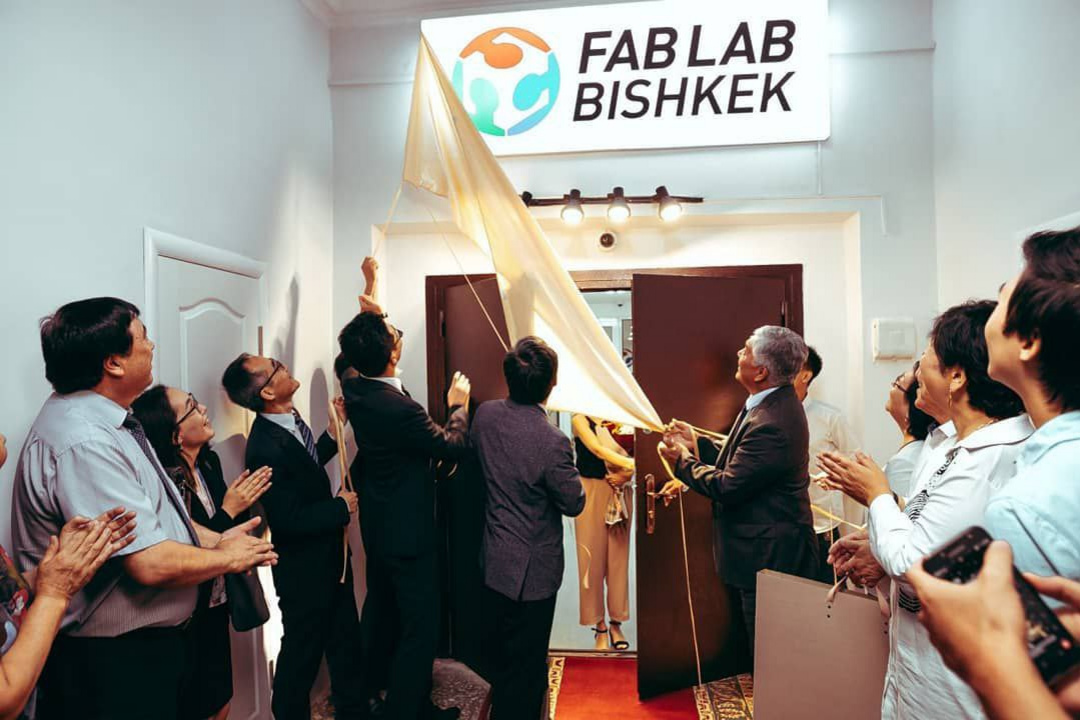
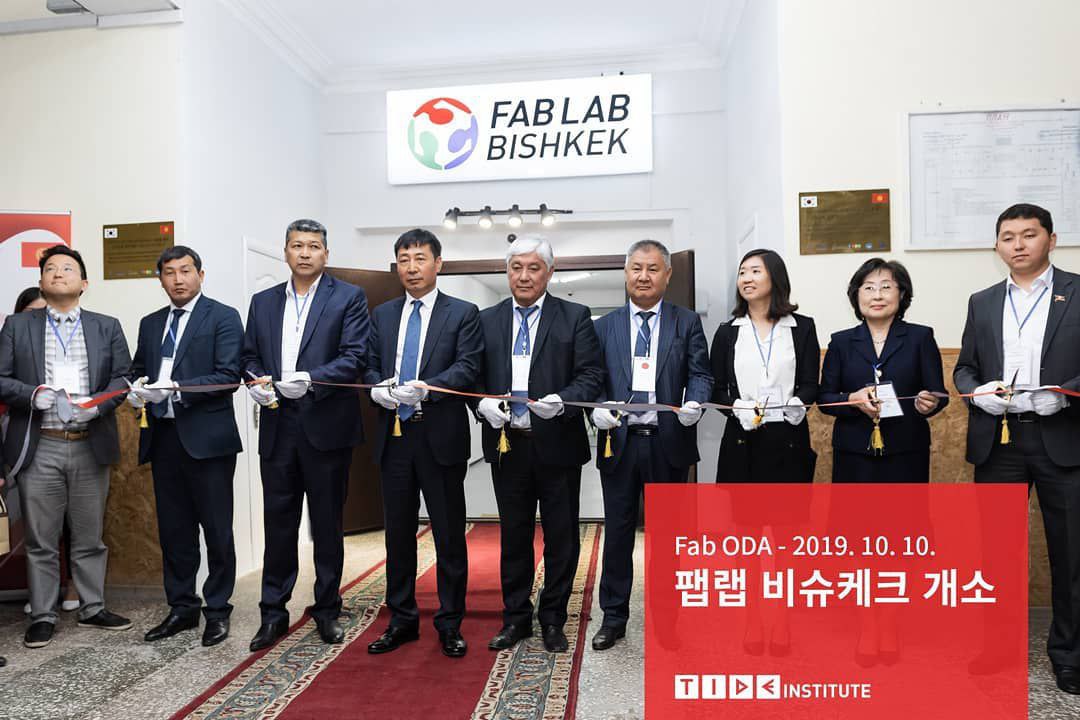
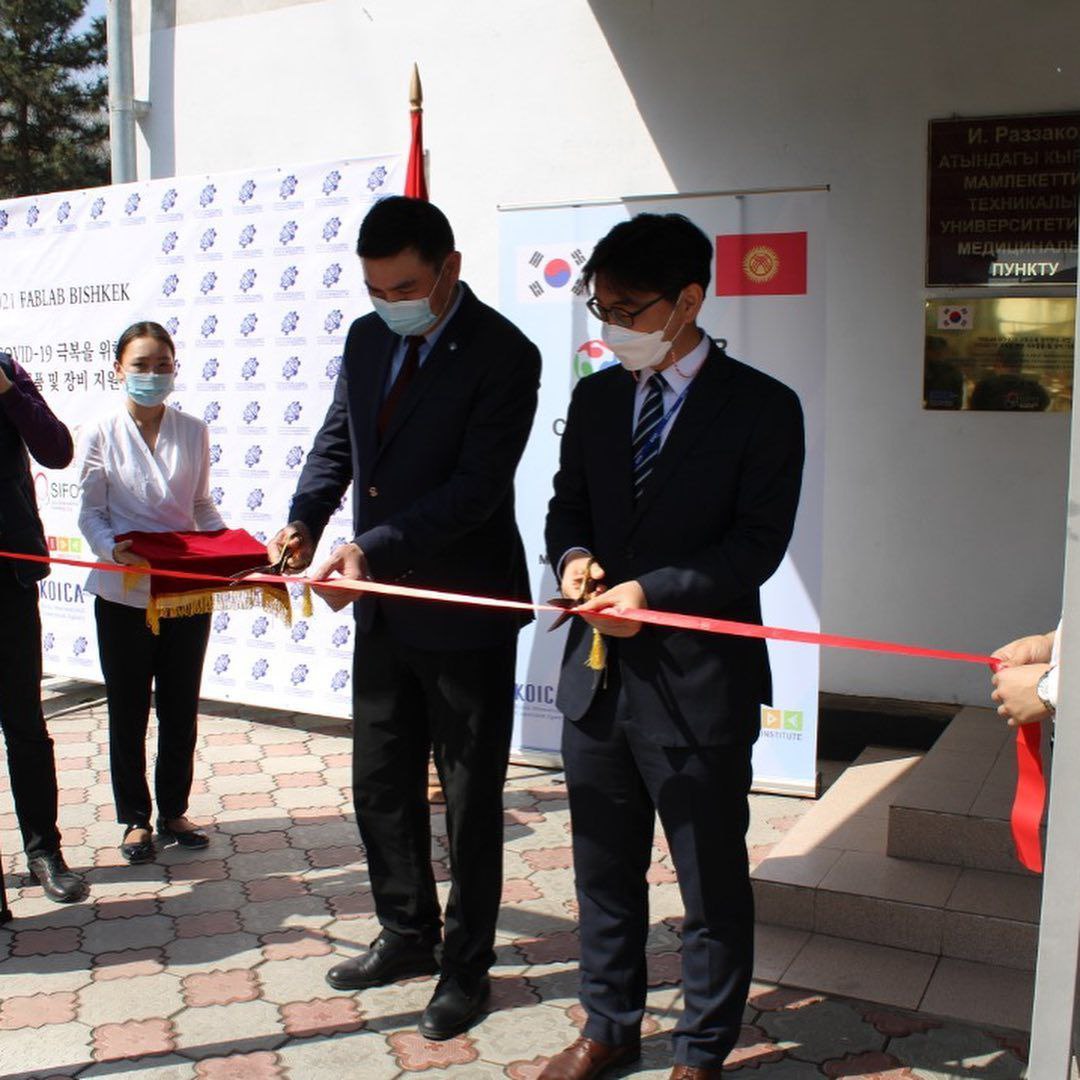
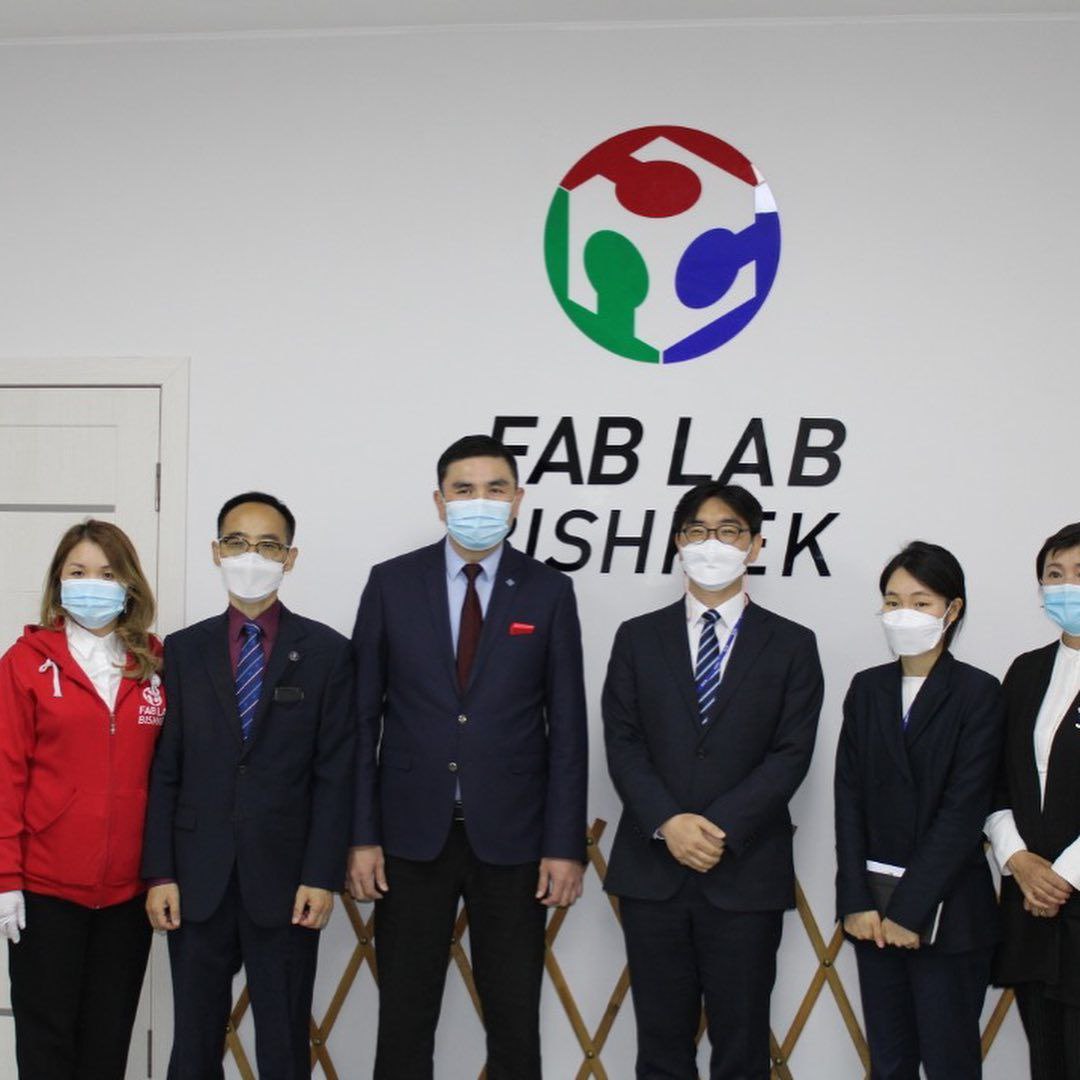
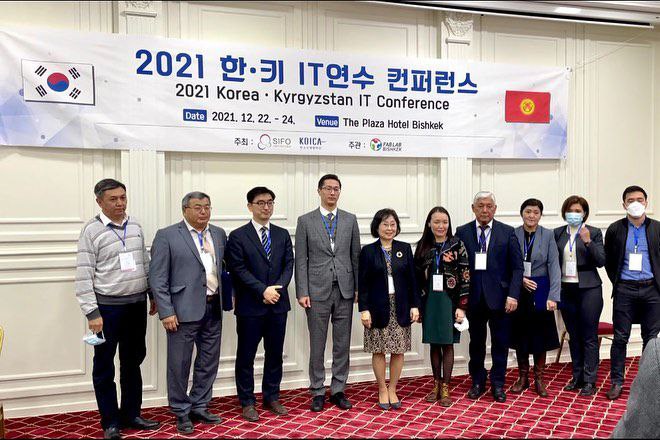
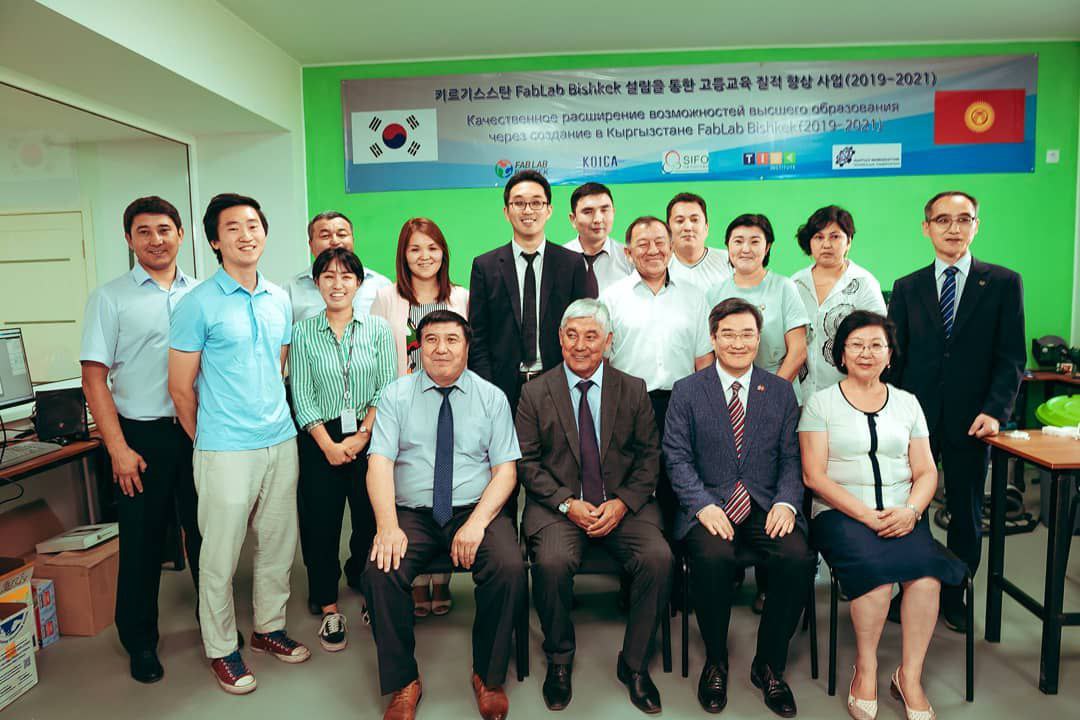
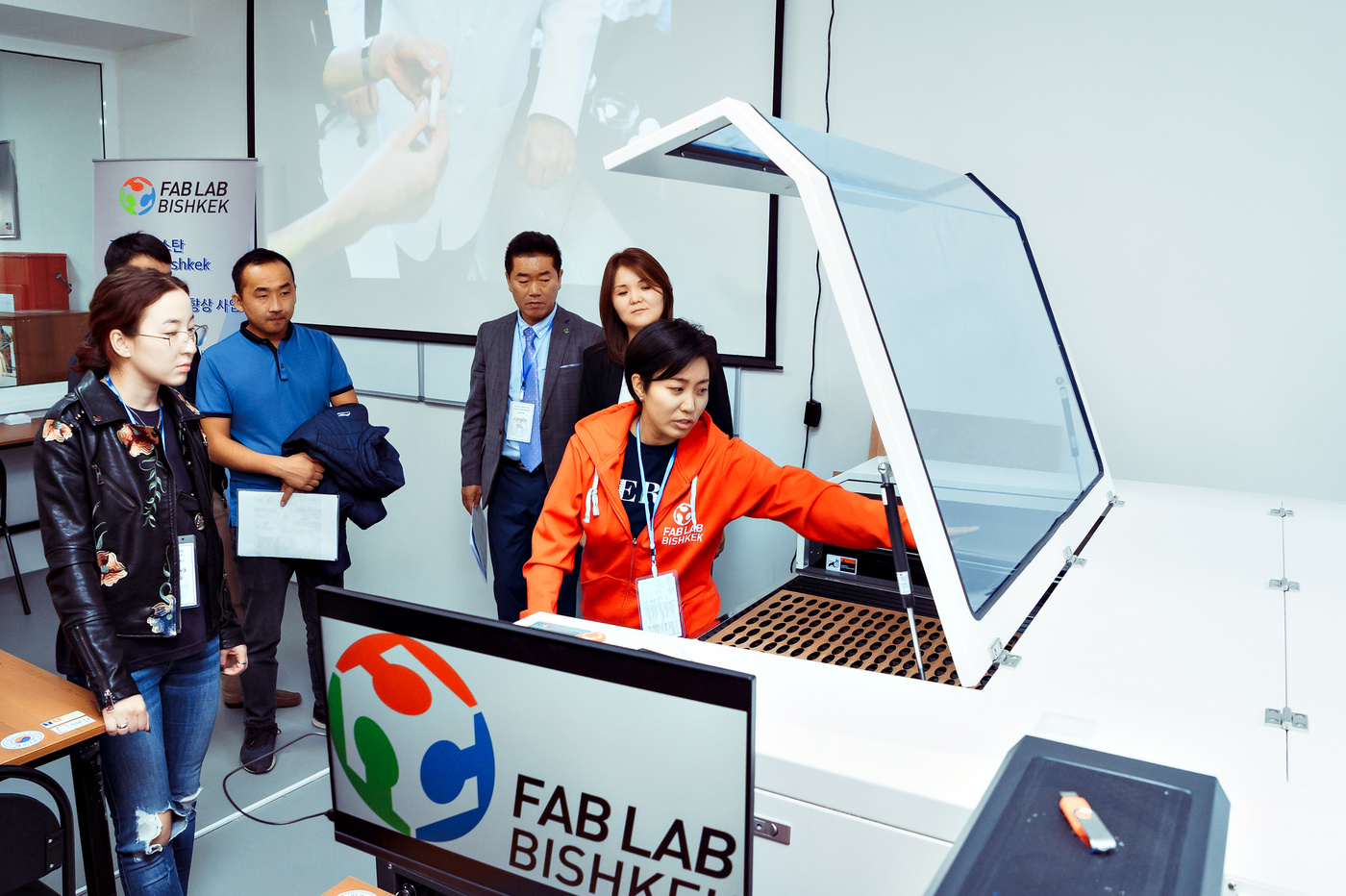
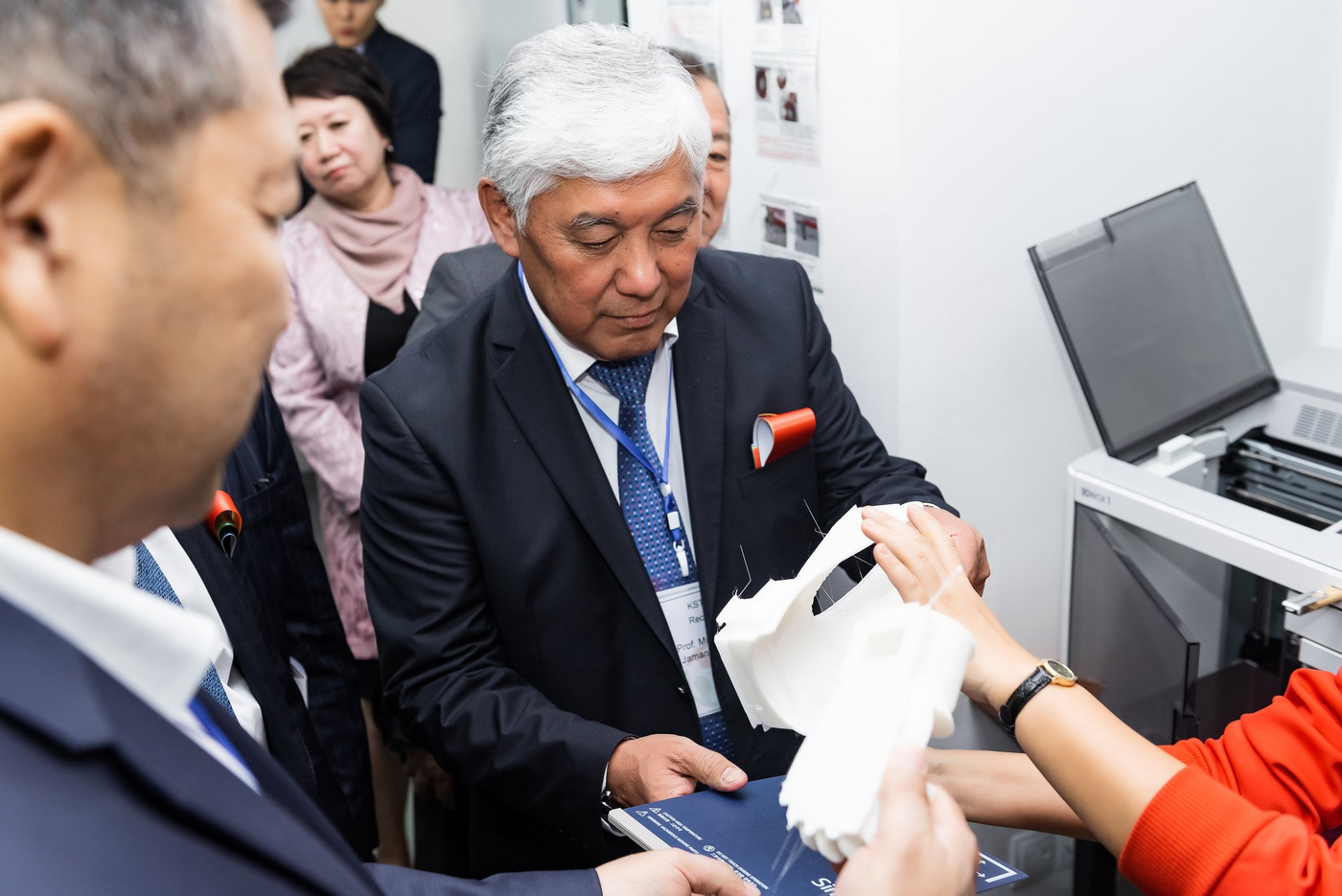
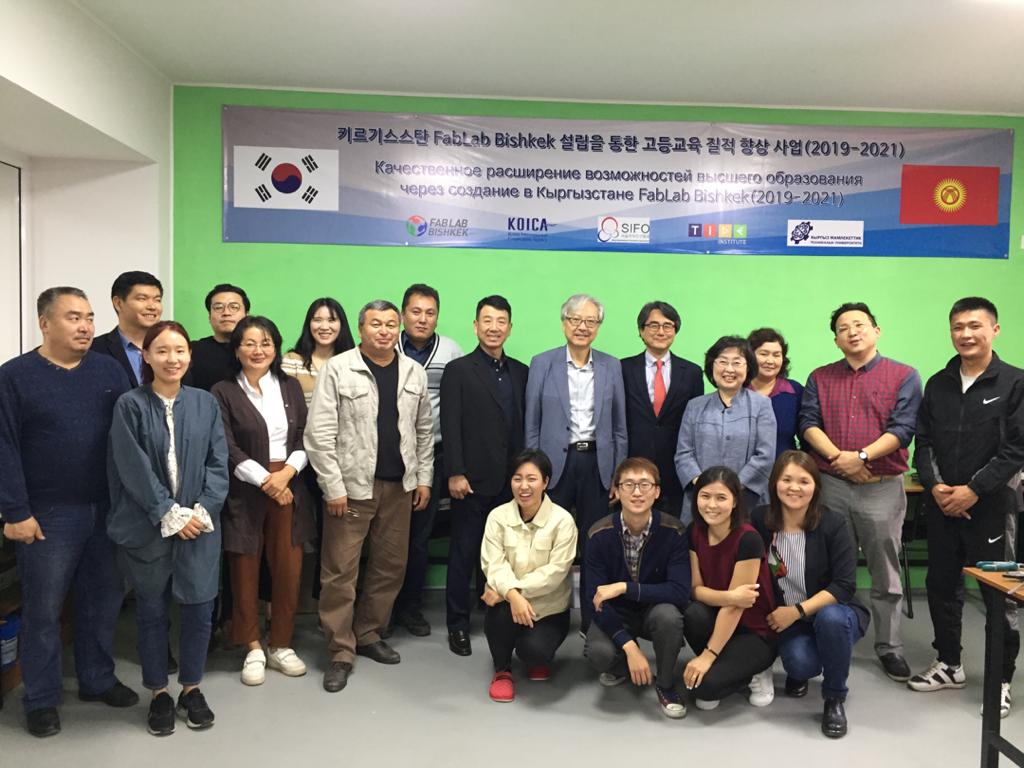
On October 10, 2019, the main building of the Kyrgyz State Technical University (KSTU) named after I. Razzakov hosted the official opening ceremony of the FabLab Bishkek laboratory as part of the KOICA Civil Society Partnership Program “Quality Expansion of Higher Education Opportunities through the Creation of FabLab Bishkek in Kyrgyzstan.”
The event was organized by the Seoul International Friendship Organization (SIFO) and the TIDE Institute in close cooperation with the management and faculty of KSTU. The event was attended by the Ambassador of the Republic of Korea to the Republic of Kyrgyzstan, Mr. Ha Tae-yuk, Deputy Director of the KOICA Representative Office in Kyrgyzstan, Ms. Joo Yoon-jung, Deputy of the Jogorku Kenesh, Zhamaldinov Ziyadin Islamovich, KSTU Rector Muratali Dzhumalievich Dzhamanbaev, representatives of the Ministry of Education, Bishkek City Hall, as well as faculty and students of the university.
The goal of establishing the FabLab Bishkek laboratory is to expand opportunities for higher education and individuals by helping them acquire digital manufacturing skills, which will lay the foundation for startups, increase productive capacity, and overcome poverty. Over the course of three years, KOICA, in collaboration with SIFO, plans to allocate US$1.247 million to achieve these goals.



UNICEF's international UniSat project
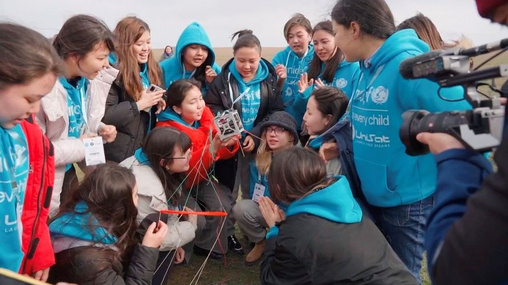
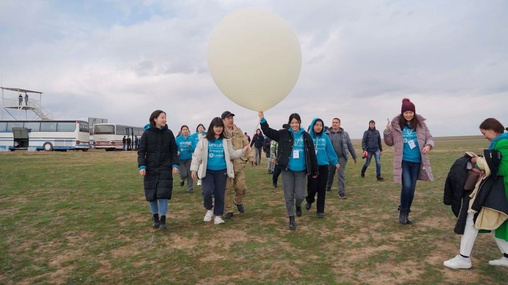
Organization of a series of educational training sessions on 3D satellite modeling for girls from secondary schools, lyceums, and universities in the Republic as part of an international forum on satellite construction.
Dozens of girls from schools in Bishkek were trained under this program, and a team was then formed to participate in the activities of the joint UniSat educational program project. Girls from Kazakhstan, Kyrgyzstan, and Uzbekistan launched three nanosatellites to analyze air pollution.
September 18, 2021, to June 16, 2022
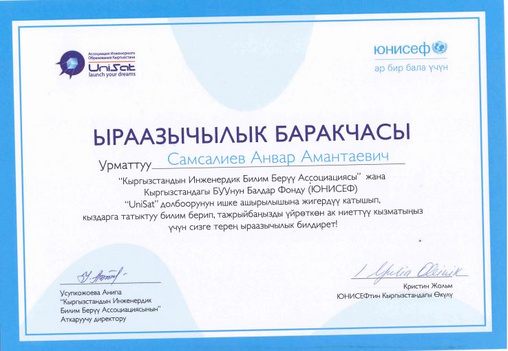
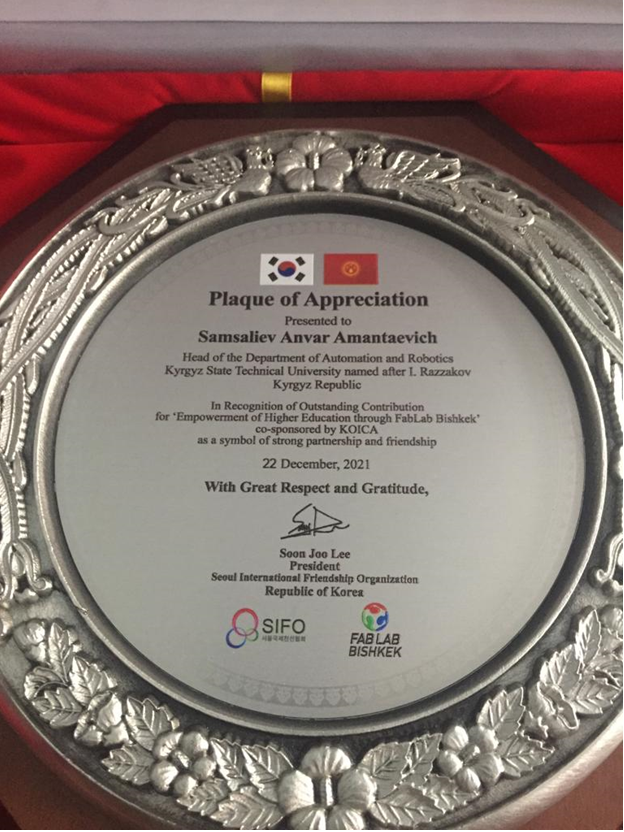
Commemorative award for active contribution to the successful implementation of the international project “FabLab Bishkek”
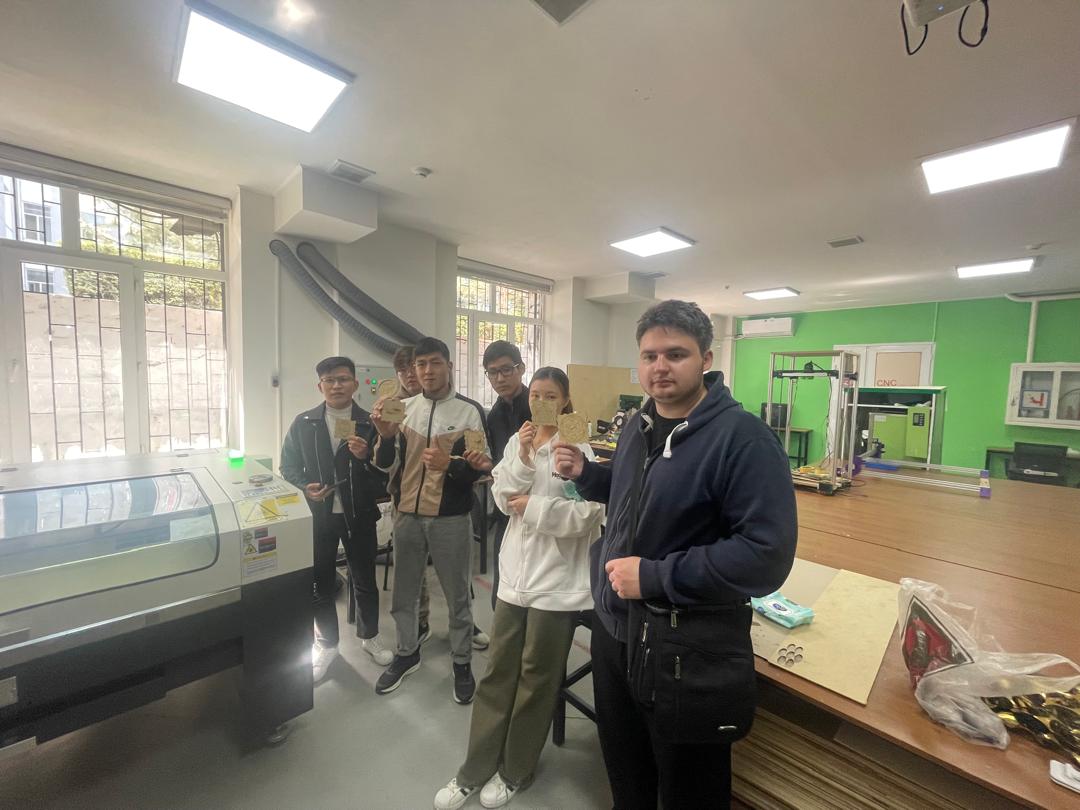
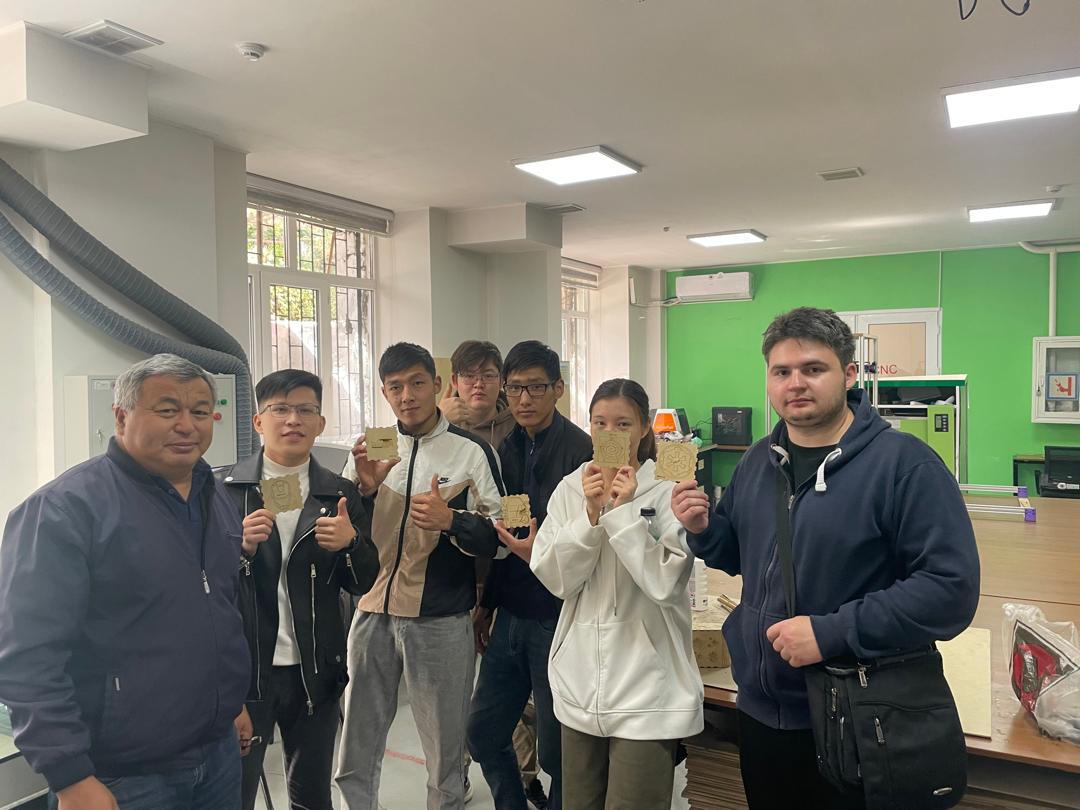
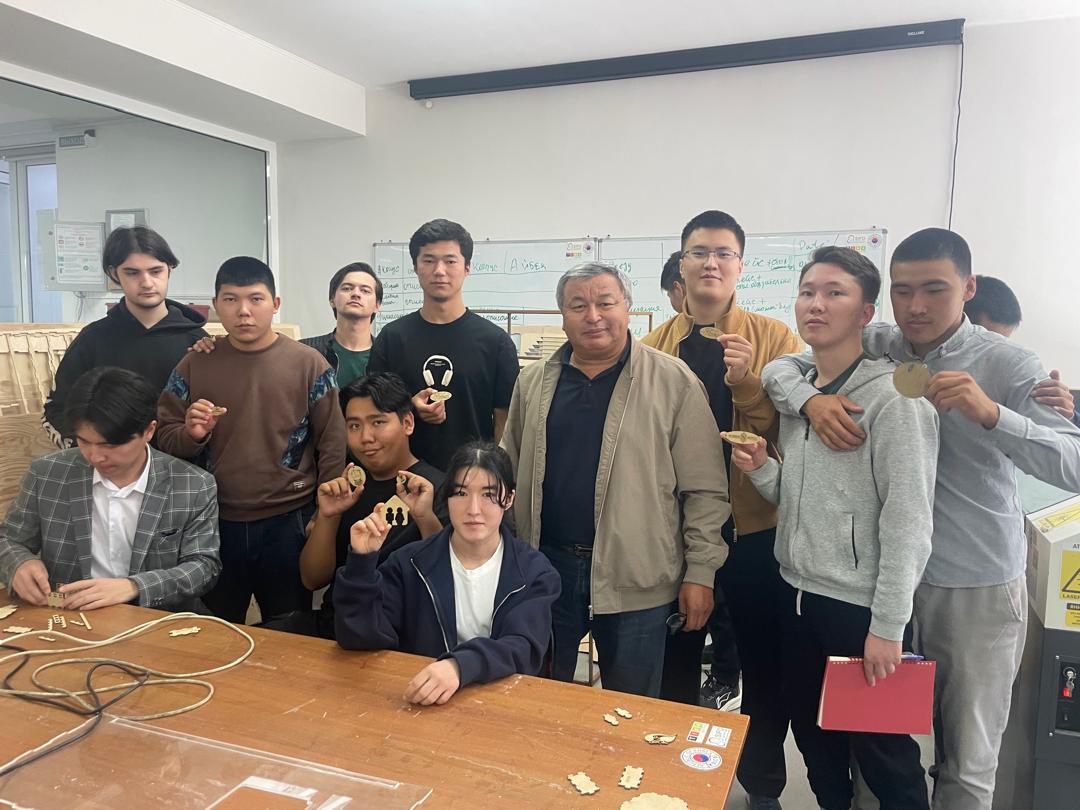
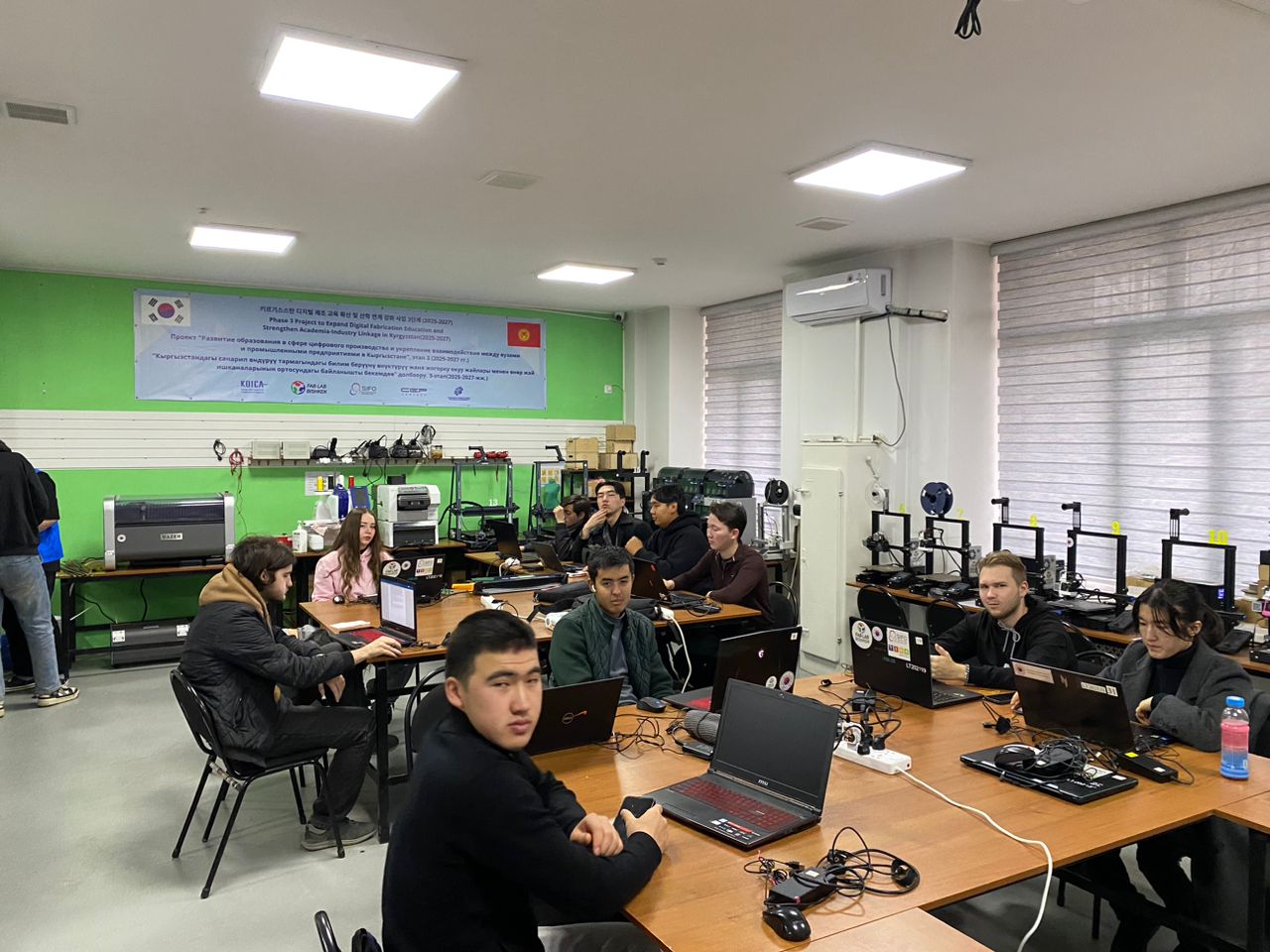
Classes for students of the department at FabLab Bishkek
Presentation of Digital Production certificates to students of the department
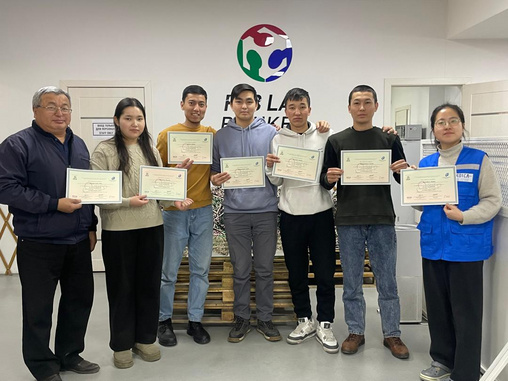
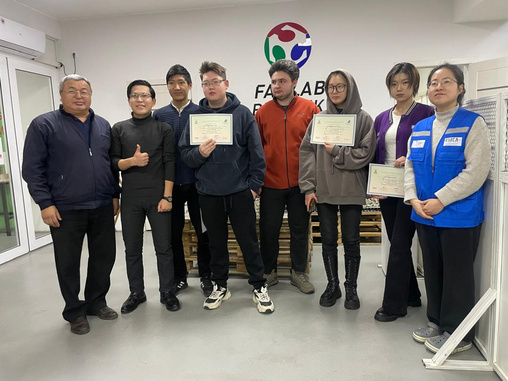
Following the completion of training in the discipline “Digital Manufacturing” at the FabLab Bishkek laboratory, students of the department of training programs 700300 ‘ATTP’ and 700500 “MiR” received international certificates.
Academic mobility to South Korea. Chungbuk University. Student of the department, A.T. Zhumakanova.
ATU_Full-time Mobility KSTU_MiR m-1-24_ Zholdoshbekova G.A. for one semester.
Winter University of Peter the Great St. Petersburg Polytechnic University, Russia, 2024.
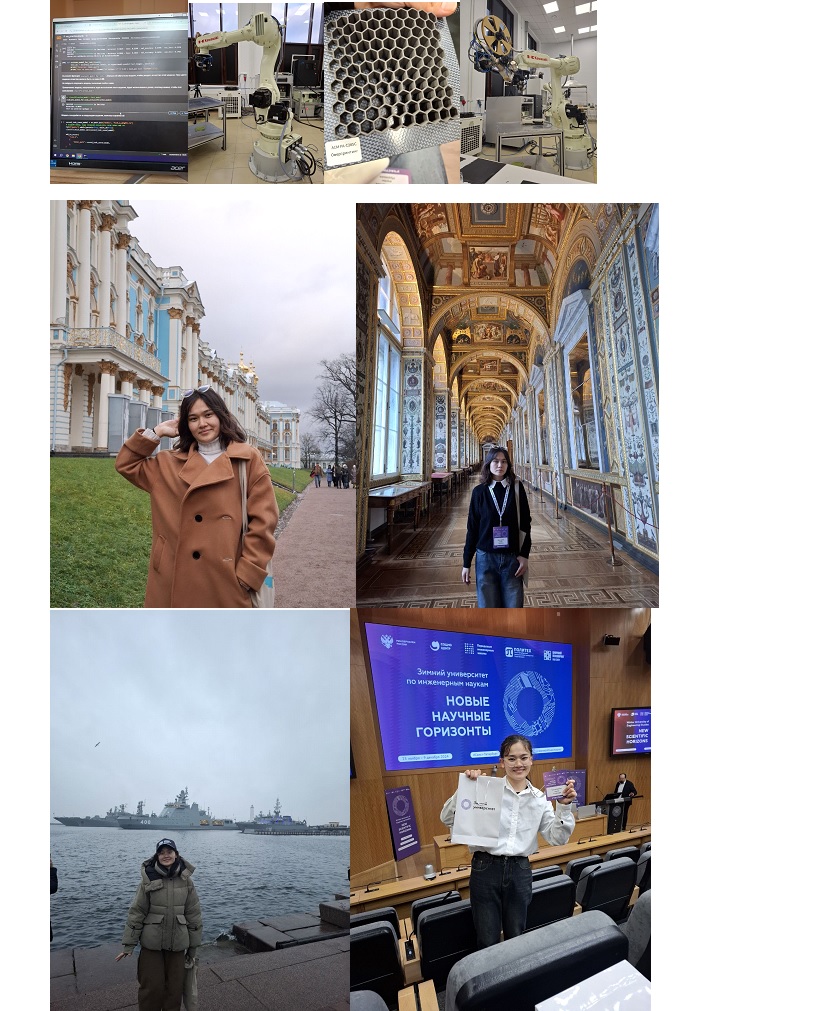
Winter University of Peter the Great St. Petersburg Polytechnic University, Russia, 2025.


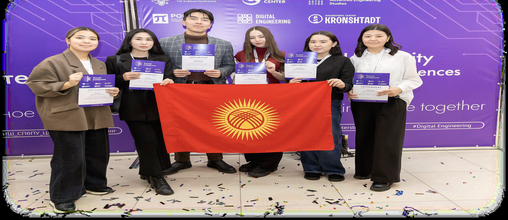
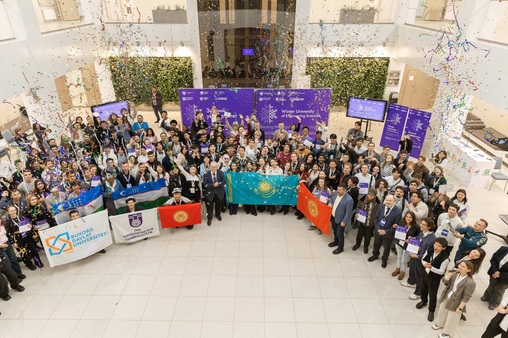
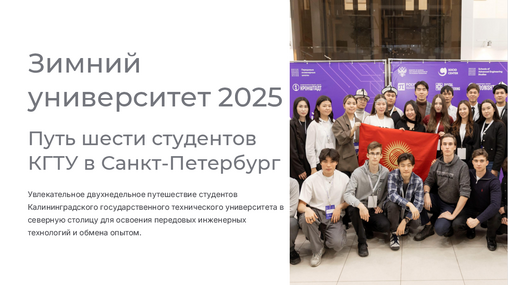
Students Jumadilov Emir and Zharkova Polina from group MiR-1-23 participated in a competition and represented KSTU as part of a delegation of six ambitious students at the “Winter University” organized at Peter the Great St. Petersburg Polytechnic University (SPbPU).
Key Learning Modules:
The educational program covered both deep technical knowledge (Hard Skills) and personal effectiveness skills (Soft Skills).
- Digital Engineering
Design of complex systems using digital twin technologies. - AI and Laboratories
Material strength testing and study of AI algorithms in manufacturing. - Soft Skills
Masterclasses on effective communication and public speaking.
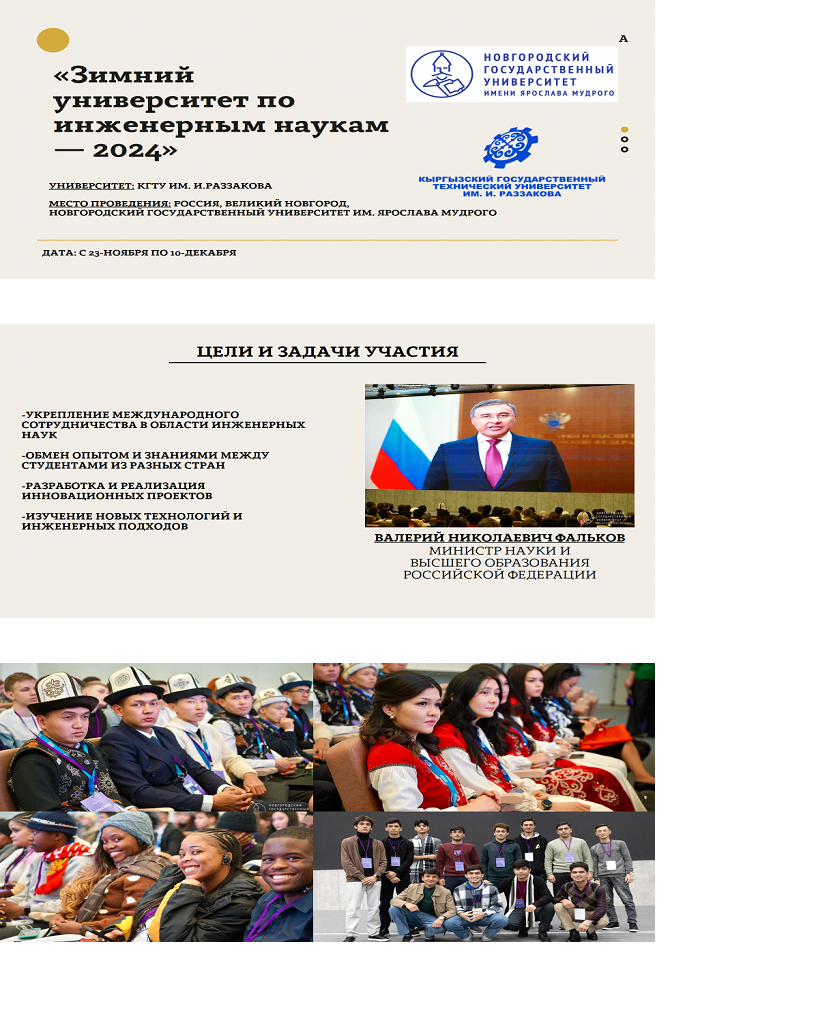
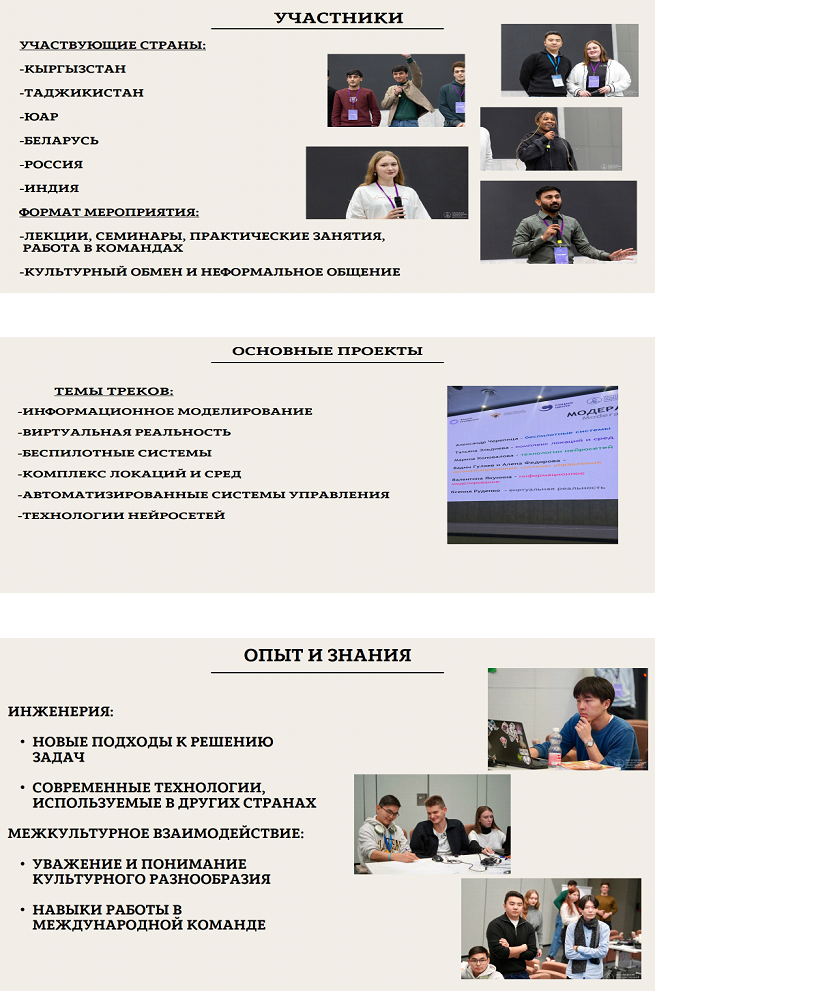
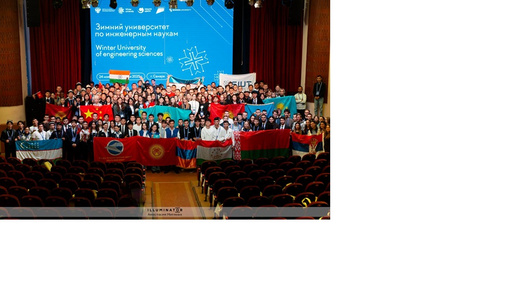
“Winter University in Engineering Sciences – 2024,” Russia, Veliky Novgorod, Yaroslav-the-Wise Novgorod State University.
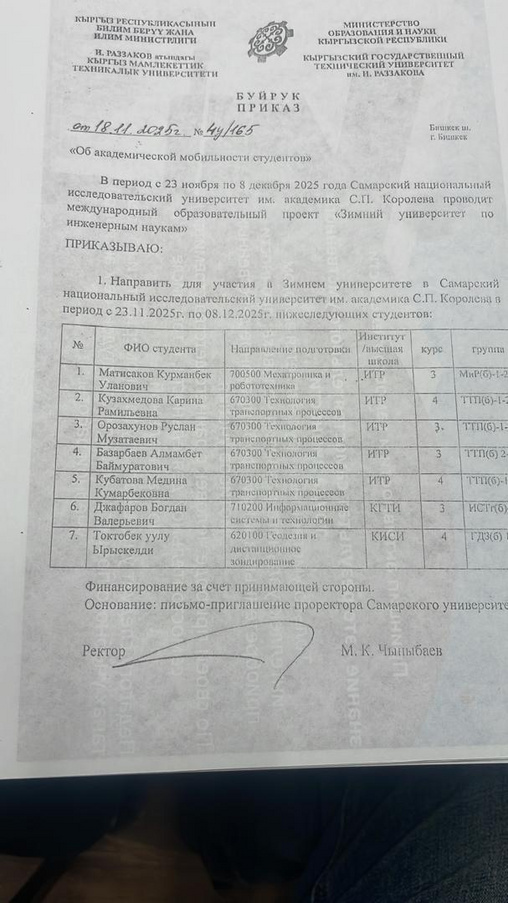
- Order on Academic Mobility Russia, Y. Mudryi National University
- Goals and objectives of the winter university
- Winter semester participants and projects
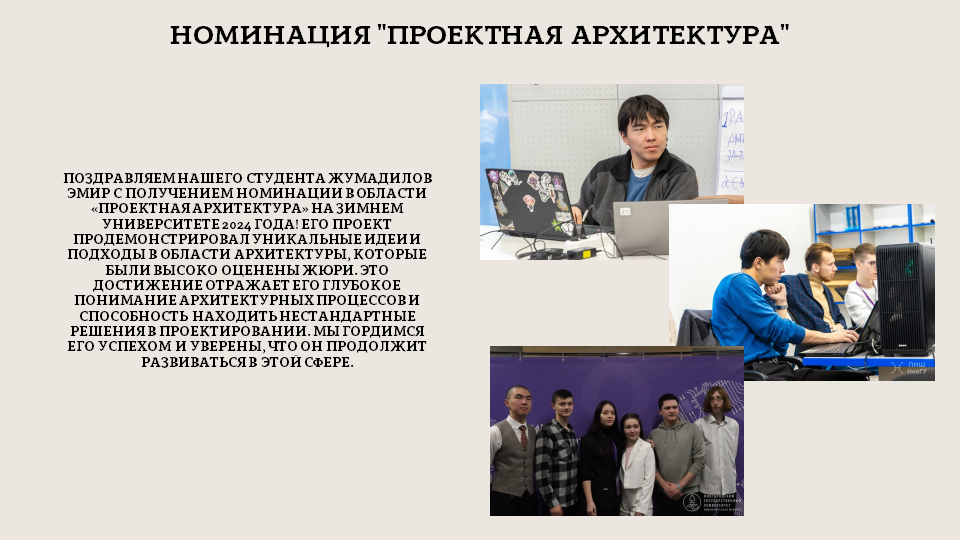
- Achievements during the winter semester of Emir Zhumadilov, a student of the MiR-1-23 group of the department
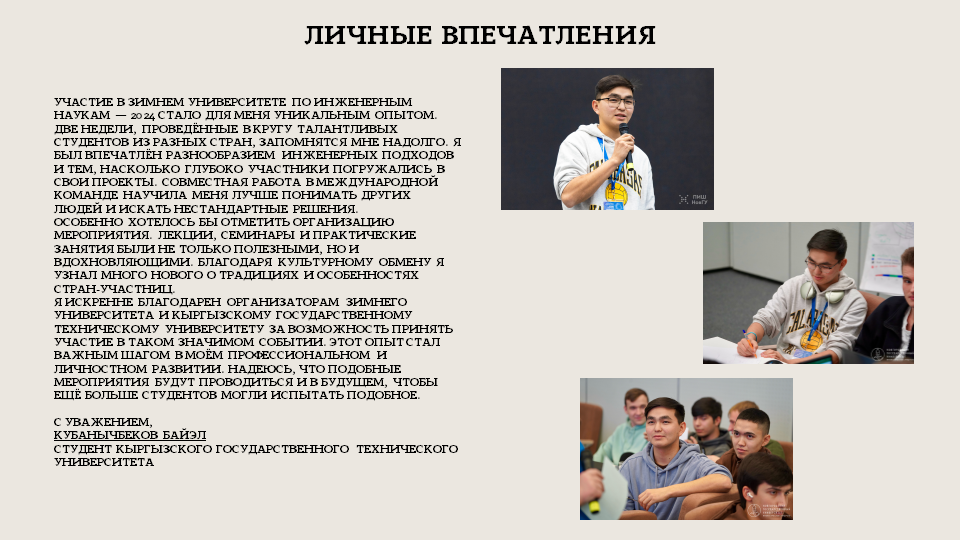
- Impressions of Bayel Kubanychbekov, student of the ATP-1-22 department
Winter University 2025 at Samara National Research University named after Academician S. P. Korolev.
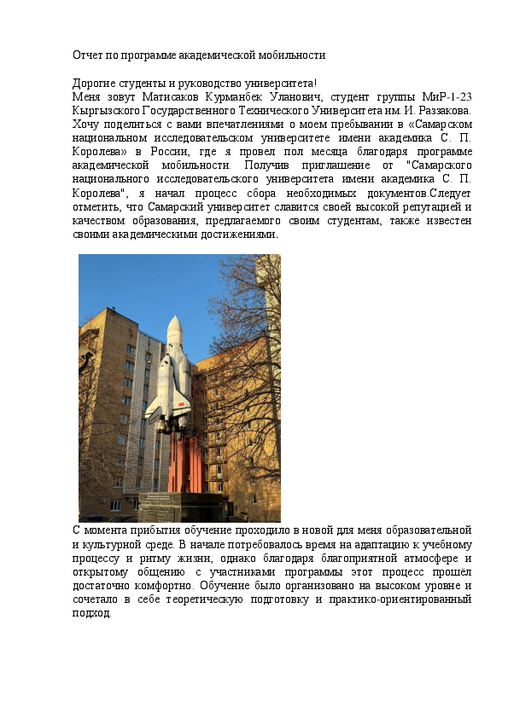
Отчет по программе академической мобильности


Report on the Academic Mobility Program
Dear students and university administration,
My name is Matisakov Kurmanbek Ulanovich, a student of group MiR-1-23 at the Kyrgyz State Technical University named after I. Razzakov. I would like to share my impressions of my stay at the Samara National Research University named after Academician S. P. Korolev in Russia, where I spent half a month thanks to the academic mobility program. After receiving an invitation from the university, I began the process of preparing the necessary documents. It is worth noting that Samara University is renowned for its high reputation and the quality of education it offers, as well as for its academic achievements.
From the moment of arrival, the learning experience took place in a new educational and cultural environment for me. Initially, some time was needed to adapt to the academic process and daily rhythm, but thanks to the supportive atmosphere and open communication with program participants, this adaptation went quite smoothly. The education was organized at a high level, combining theoretical training with a practice-oriented approach.
During the course, special attention was paid to engineering thinking, technical solution analysis, and project activities. This format of learning allowed me to gain a deeper understanding of the specifics of designing unmanned aerial systems and to expand my professional knowledge in this field.
The most vivid and valuable experience for me was meeting and communicating with participants from 11 different countries. The international environment not only broadened my horizons but also provided a unique opportunity for intercultural communication, exchange of perspectives, and sharing of life values. This interaction made participation in the program particularly rich and meaningful.
Data and Plans of the Department of Automation, Robotics, and Mechatronics (ARiM) for Internationalization
Academic mobility to South Korea. Jeonbuk University. Student of the department, Zhumakanova A.T., for the full academic year 2025–2026.
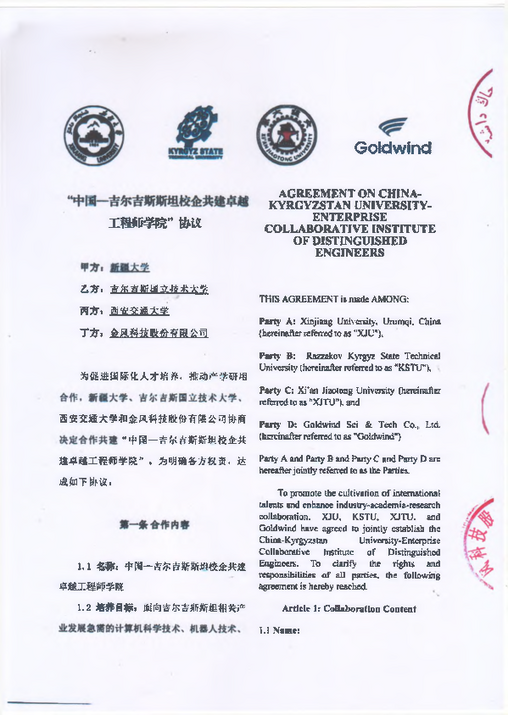
International collaboration with Xinjiang University, Xi’an Jiaotong University of Transportation, and Goldwin Company on a joint Master’s program in 700500 “Mechatronics and Robotics.”
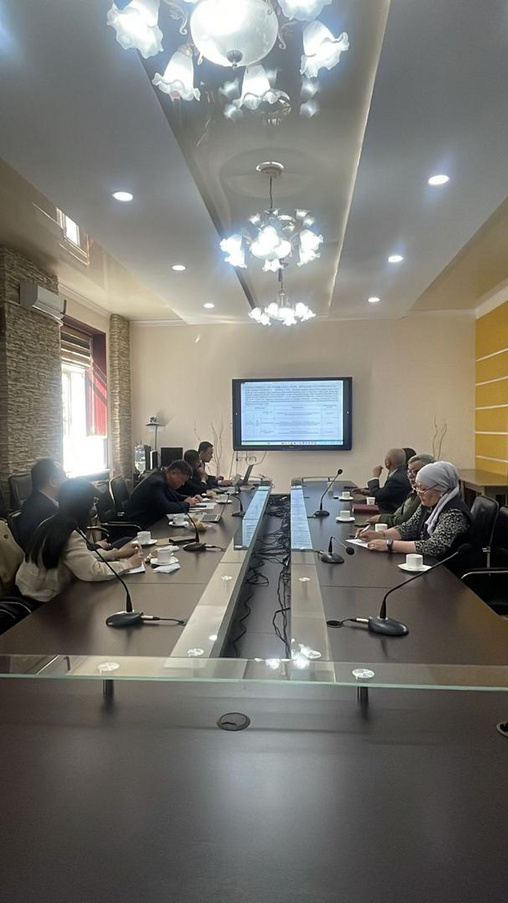
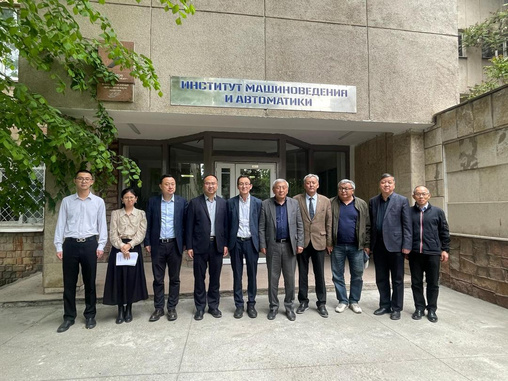
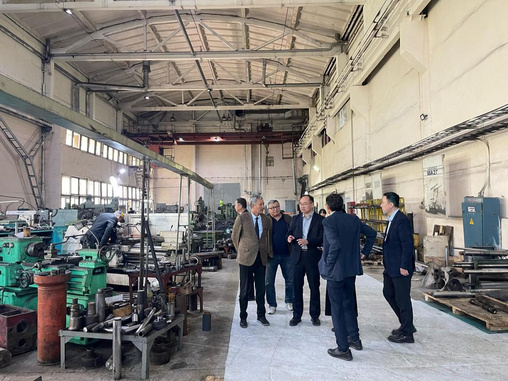
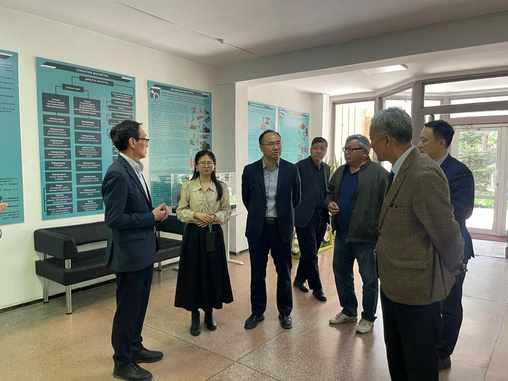
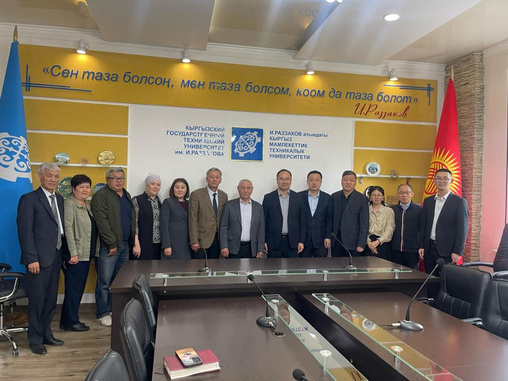
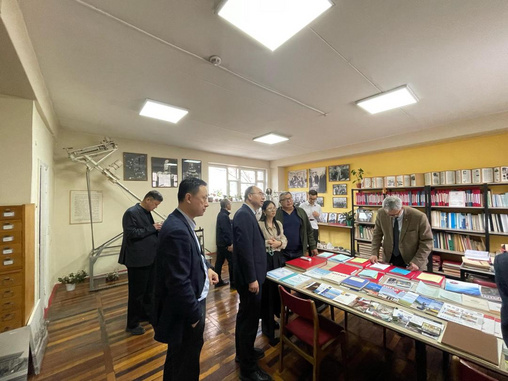
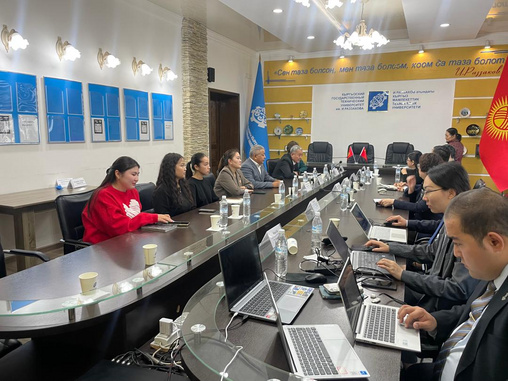
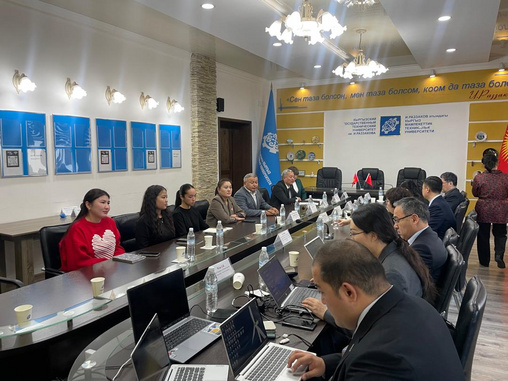
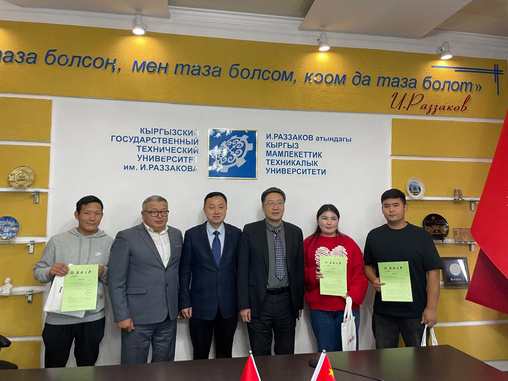
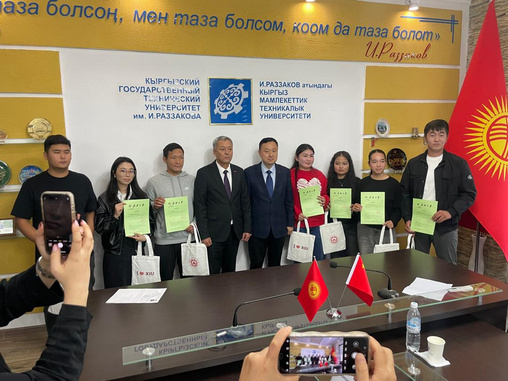
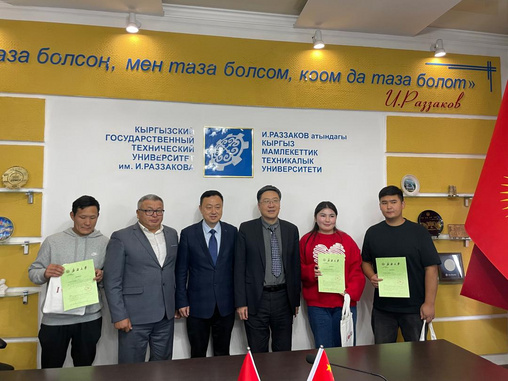
DELEGATION VISIT PROGRAM
Xinjiang University
Date and Time of Visit: October 13, 14, 15, 16, and 17, 2025
Participants: Leadership and faculty of Kyrgyz State Technical University named after I. Razzakov (KSTU)
Chinese Delegation Representatives:
Xinjiang University
- Tao Qing – Director of the School of Engineering
- Aishan Umai Er – Deputy Director of the School of Computer Science and Technology
- Fan Yangfan – Deputy Director of the School of Electrical Engineering
- Wang Lizhong – Deputy Director of the School of Mechanical Engineering
- Sun Dan – Russian-Chinese translator, Head of Project Management Department, International Exchange and Cooperation Office
Goldwin Company
- Askar Osmon – Director of the Research Institute of Energy Systems with New Energy Sources NTIC-WP, Chief Engineer in “Energy Systems”
- Ao Zhuan – Director of the Research Institute of Wind Energy NTIC-WP, Chief Engineer in “Energy Systems”
- Wang Lili – Chief Engineer in “Energy Systems,” Goldwind and NTIC-WP
Objective: Discussion on promoting and developing the “Institute of Advanced Engineers” between KSTU and Xinjiang University, expanding cooperation in academic exchange programs, and implementing joint projects.
| Date | Time | Event | Location |
| October 13, Monday | 08:00 | Transfer from Manas Airport to Campus 1 | – |
| 10:00 | Introduction with Xinjiang University and Goldwin representatives | MZ | |
| 11:00 | Discussion of curricula by specialties | MZ | |
| 11:00 | Meeting of Goldwin representatives with the Department of Renewable Energy | Building 3 | |
| 12:30 | Campus 1 tour and inspection of labs for future research | Campus 1 | |
| 14:00 | Lunch | – | |
| 14:30 | Transfer to Campus 2 | – | |
| 15:00 | Campus 2 tour | Campus 2 | |
| 16:00 | Roundtable: “Development of Joint Educational Programs” | Campus 2 | |
| 17:00 | Transfer from Campus 2 to hotel | – | |
| October 14, Tuesday | 08:30 | Transfer from hotel to Campus 1 | – |
| 09:00 | Discussion of Work Programs and Credit Recognition: 1) Determination of courses for mutual recognition; 2) Rules for credit conversion; 3) Recognition of academic achievements and transfer of completed courses to partner university | MZ | |
| 13:00 | Lunch | – | |
| 15:00 | Meeting with students who passed the interview for the “Institute of Advanced Engineers” | MZ | |
| 17:00 | Transfer from Campus 1 to hotel | – | |
| October 15, Wednesday | 08:30 | Transfer from hotel to Campus 1 | – |
| 09:00 | Participation in the International Mining Forum “Partnership for Development” | BAZ | |
| 16:00 | Discussion on faculty exchange, visiting scholar programs, and joint initiatives for teacher training | MZ | |
| 17:00 | Transfer from Campus 1 to hotel | – | |
| October 17, Friday | 06:00 | Transfer from hotel to Manas Airport | – |
| Date | Time | Event | Location |
| October 13, Monday | 08:00 | Transfer from Manas Airport to Campus 1 | – |
| 10:00 | Introduction with Xinjiang University and Goldwin representatives | MZ | |
| 11:00 | Discussion of curricula by specialties | MZ | |
| 11:00 | Meeting of Goldwin representatives with the Department of Renewable Energy | Building 3 | |
| 12:30 | Campus 1 tour and inspection of labs for future research | Campus 1 | |
| 14:00 | Lunch | – |
International Project "Industrial Drone Research Center" with Japanese Partners Mikawa
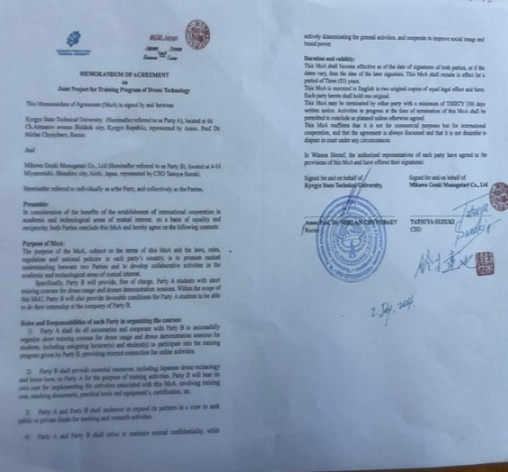
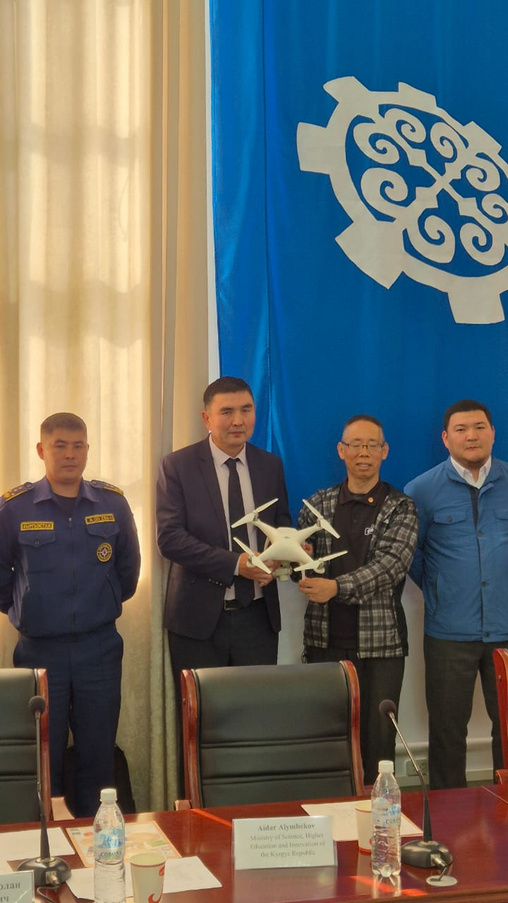
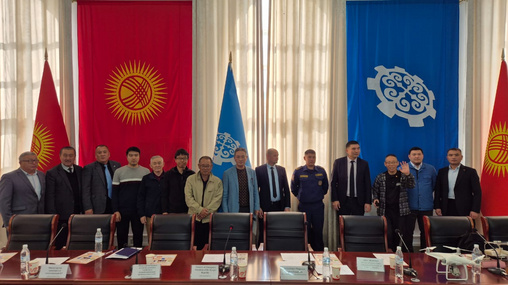
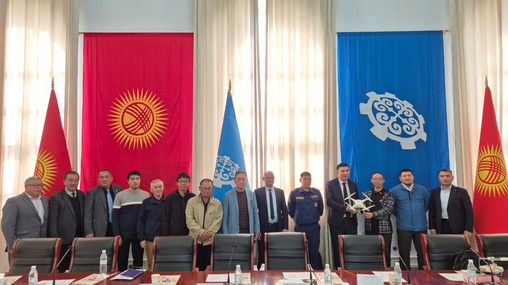
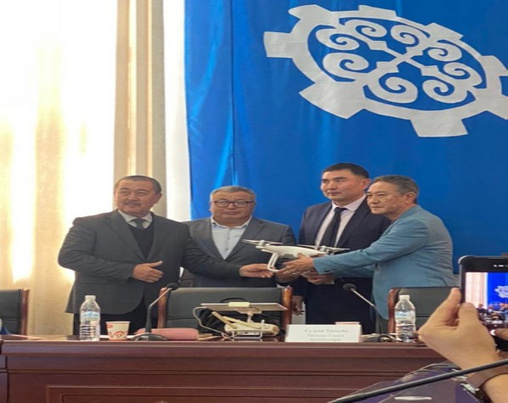
Report on the Conference on the Presentation of the "Industrial Drone Research Center" Project
In accordance with the conference program, at 10:30 on October 17, 2025, a meeting of conference participants was organized.
The following Japanese partners attended and gave presentations:
- Tatsuya Suzuki, Mikawa Genki Monogatari Co.
- Yasuba Kimiya, Co. For Nature
- Yoshihito Aniyaku, Co. For Nature
Representatives of the Kyrgyz ministries also participated in the meeting:
- Aidar Alymbekov, Ministry of Science, Higher Education, and Innovation
- Zhanybek Noruzbayev, Ministry of Emergency Situations
- Salavat Mambetakunov, Ministry of Water Resources, Agriculture, and Processing Industry
The conference was opened with a welcoming speech by Rector of KSTU, Mirlan Koychubekovich Chynybaev, who noted that, in accordance with the memorandum on the creation of the center, room 1/118 had been allocated, renovated, and equipped with tables and chairs for drone training. Plans include training drone pilots and integrating drone courses into the curricula of the relevant departments, either as compulsory or elective courses for students.
Aidar Alymbekov emphasized that drones are used worldwide in various fields and that the creation of the center is a strategic decision. The transfer of experience and knowledge from Japanese partners will positively impact the quality of student training.
Representatives of the Ministry of Emergency Situations and the Ministry of Water Resources, Agriculture, and Processing Industry highlighted the niches in which drones could be applied in their sectors, which would enhance the efficiency of enterprises and organizations.
In addition to training pilots and students, the Japanese partners proposed projects for drone assembly and production within the Kyrgyz Republic and for commercialization.
The rector of KSTU suggested using the technopark territory for drone production, involving students to gain practical skills.
Japanese partners expressed their readiness to train teachers and students at the drone center they established in Japan.
All parties expressed interest in continuing the cooperation.
Agreement on the Establishment of the Eurasian Technological Platform "Robotics" and Collaboration for the Development of Robotics
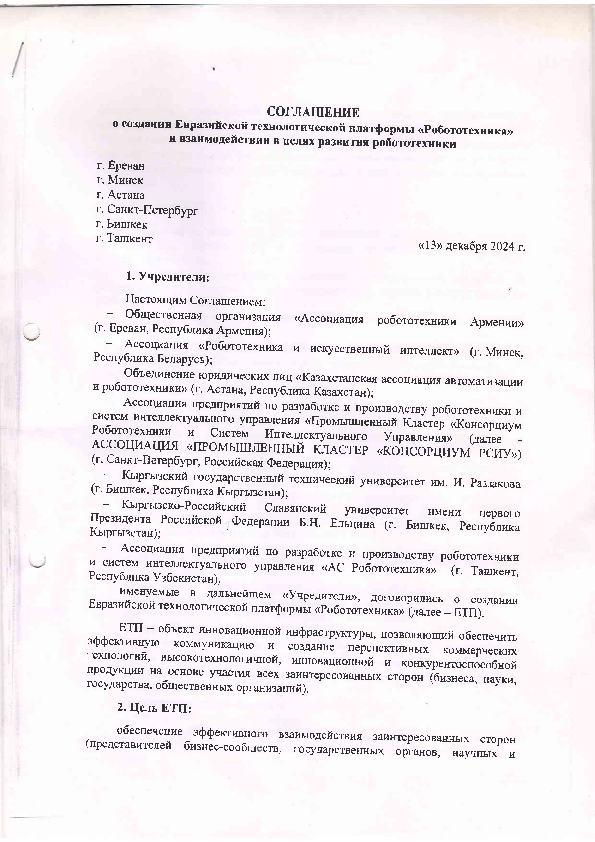
1. Founders:
By this Agreement, the following entities:
- National Polytechnic University of Armenia (Yerevan, Republic of Armenia);
- Armenian Robotics Association (ARA) (Yerevan, Republic of Armenia);
- Association "Robotics and Artificial Intelligence" (Minsk, Republic of Belarus);
- Kazakhstan Association of Automation and Robotics (KAAR) (Astana, Republic of Kazakhstan);
- Kyrgyz State Technical University named after I. Razzakov (Bishkek, Kyrgyz Republic);
- Association "Consortium of Robotics and Intelligent Control Systems" (St. Petersburg, Russian Federation);
hereinafter referred to as the "Founders", have agreed to establish the Eurasian Technological Platform "Robotics" (hereinafter – ETP).
The ETP is an object of innovative infrastructure, enabling effective communication and the creation of advanced commercial technologies, high-tech, innovative, and competitive products based on the participation of all stakeholders (business, science, government, and public organizations).
2. Purpose of the ETP:
To ensure effective interaction among stakeholders (representatives of business communities, government bodies, scientific and public organizations) by leveraging the economic potential of the member states of the Eurasian Economic Union (hereinafter – Member States) to stimulate mutually beneficial innovative development of industrial robotics, promote the introduction of industrial robots in various sectors of industry and economy, and create promising commercial technologies.
Key areas of activity of the ETP:
- Implementation of robots in agriculture and the agro-industrial complex, including the forestry sector;
- Implementation of robots in mining and extractive industries;
- Implementation of robots in the oil and gas industry;
- Implementation of robots in manufacturing industries;
- Implementation of robots in the energy sector;
- Implementation of robots in construction;
- Implementation of robots in housing and utilities, including the cleaning industry;
- Implementation of robots in warehouse logistics;
- Implementation of robots in transport;
- Implementation of robots in scientific and technical activities;
- Implementation of robots in education;
- Implementation of robots in healthcare and social services;
- Implementation of robots in public catering;
- Implementation of robots in sports, leisure, and entertainment;
- Establishment of industrial robotics development centers;
- Development and production of component bases for robots (drives, motors, gearboxes, bearings, sensors, software, etc.);
- Development of an open-source technological platform for industrial robot development;
- Development of an open-source technological platform for safe interaction between different robotic systems and automated intelligent control systems of technological processes via a specialized network with the possibility of integration with other networks (Internet, high-speed wireless networks, industrial wireless networks, etc.);
- Development, production, operation, and maintenance of industrial robots;
- Participation in the annual International Robotics Championship "Robot Battle" and other similar competitions.