Educational work
Educational work with students focuses on developing the individual's need to achieve personal success, realize their goals and objectives, form independence, self-affirmation, develop self-sufficiency, and their basic qualities that contribute to the inclusion of students in various spheres of social life, obtaining a specific specialization, and personal development.
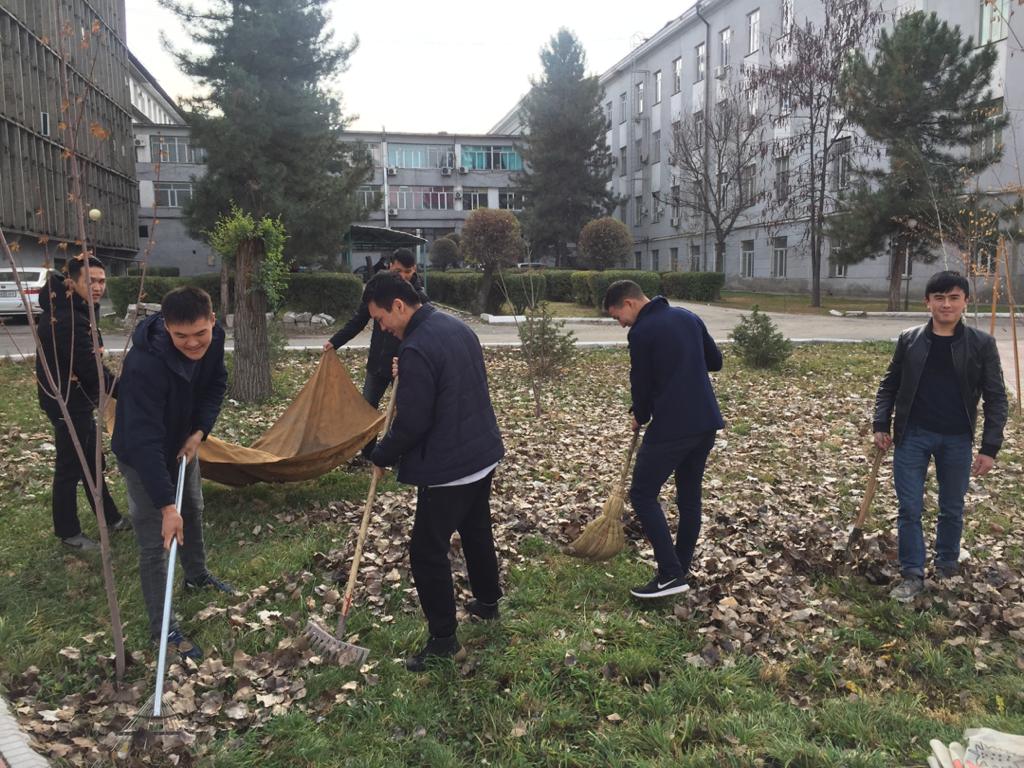
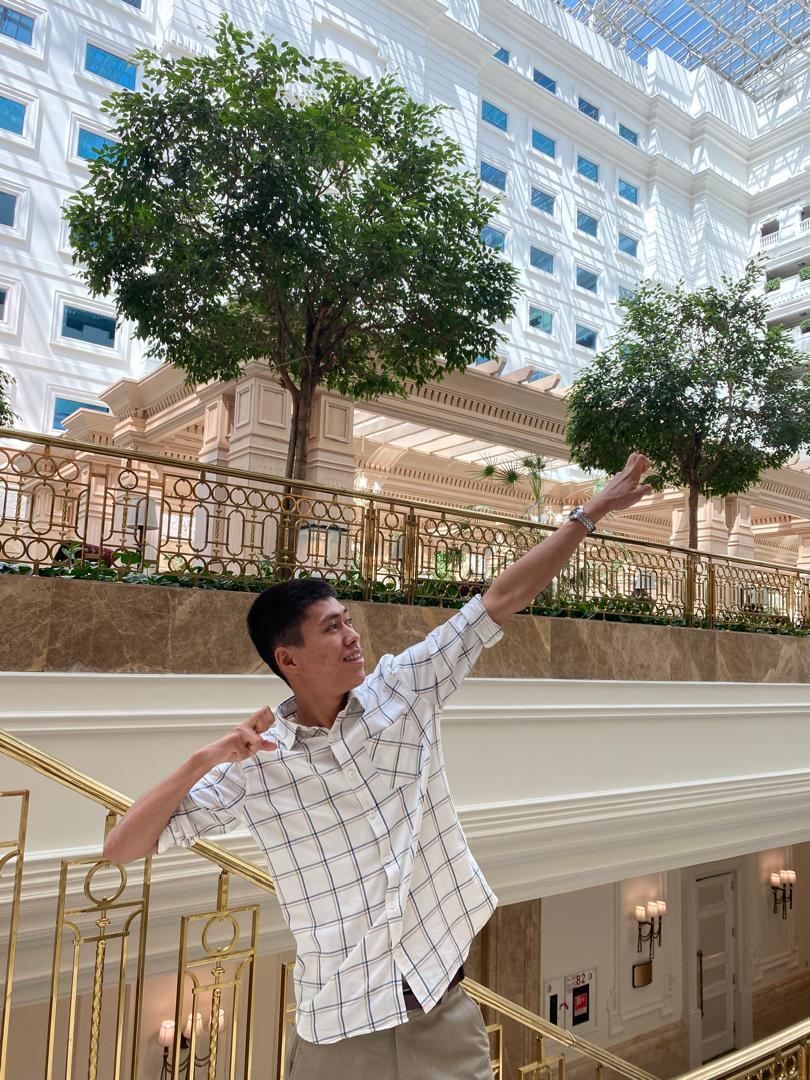
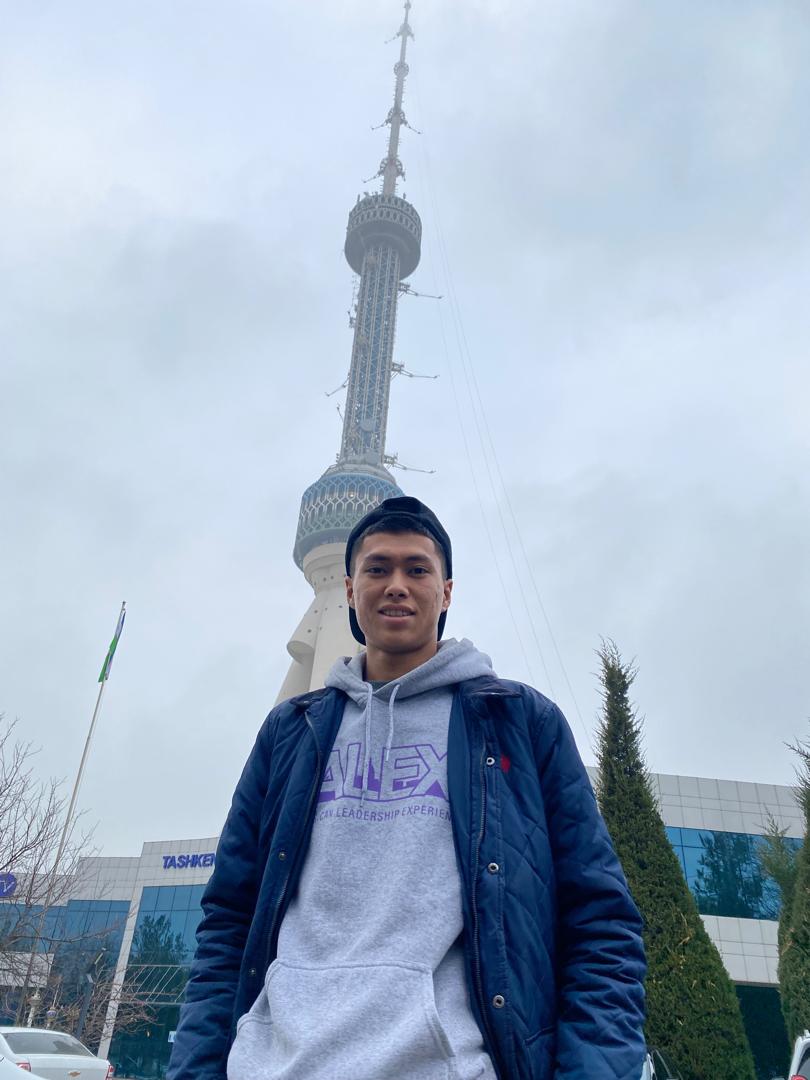
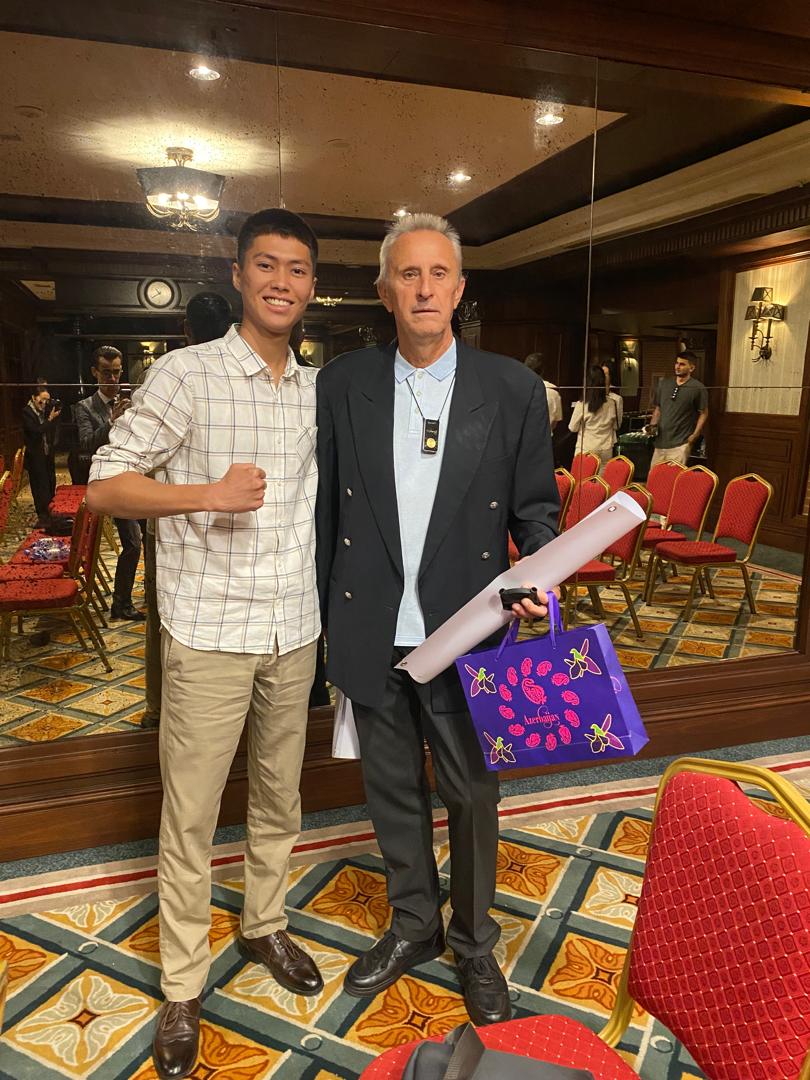
Bekmyrza Tashbulatov, student of the department – Scholar of the international program JACAFA.
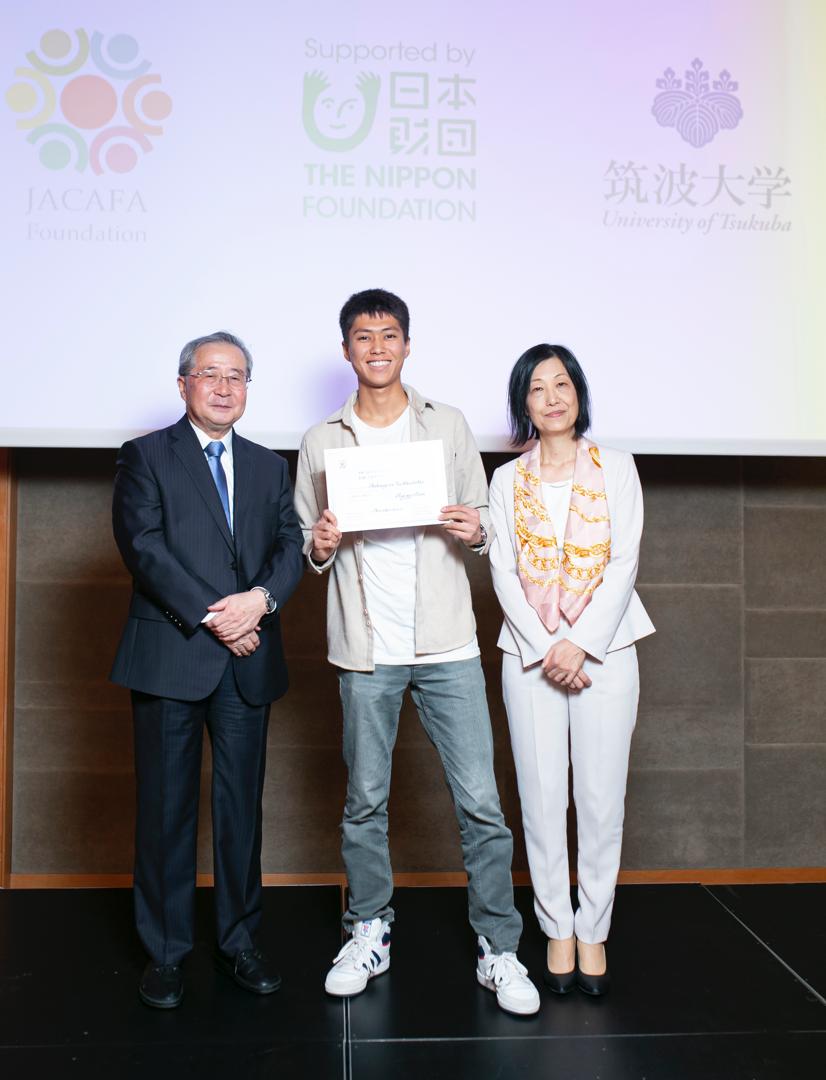
Bekmyrza Tashbulatov– JACAFA international program scholarship holder
Bekmyrza Tashbulatov is a student at the Kyrgyz State Technical University named after I. Razzakov, majoring in “Mechatronics and Robotics.” Last year, he became a recipient of the prestigious JACAFA scholarship (funded by the Nippon Foundation), awarded to students from Central Asia, the Caucasus, and neighboring countries.
The selection process for the JACAFA program is competitive: out of hundreds of candidates from Kyrgyzstan, only five students were chosen, and he became the sole representative of KSTU named after I. Razzakov among the scholarship holders.
The JACAFA program promotes the development of leadership skills, international cooperation, and professional growth. He attended international conferences in Azerbaijan, Kazakhstan, and Uzbekistan, representing the culture of Kyrgyzstan and his university.
Participation in the JACAFA program strengthened his professional and leadership skills and expanded his international network.
Bekmyrza actively shares knowledge and experience by giving presentations to students not only at the Polytechnic but also at foreign universities. His initiatives contribute to promoting international educational programs and inspire young people to participate in similar projects.
JACAFA.Trip to Japan. Tashbulatov B. – student of group MiRb-1-21
NASA International Space Apps Challenge. Participation of the department team. 2025
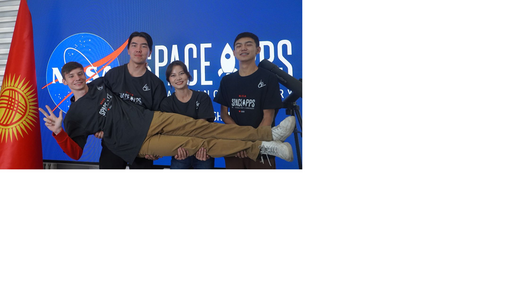

We – the ARiM team – became part of the largest international hackathon organized by NASA, held from October 4 to 5, 2025.
Task: to solve real problems of Earth and space using open data.
During two days, we developed a website and an application and received a cash prize.
Chynybaeva Nazarke – a first-year student activist of group MiR-25.
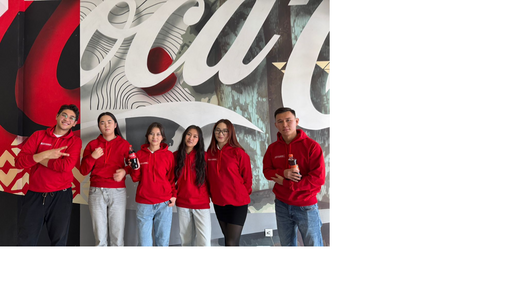
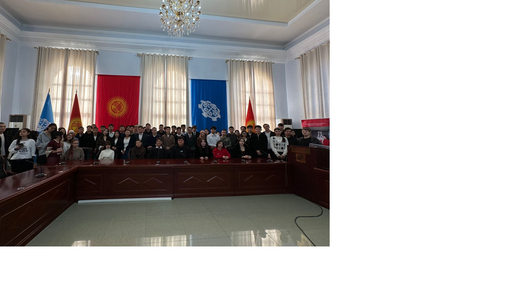
Chynybaeva Nazarke became a CCI (Coca-Cola) ambassador at the Polytechnic University after passing the selection stages. On December 1, she held her first event as an ambassador, featuring a guest lecture by Aiganysh Sydyk kyzy, Head of Sales Development.
Ambassadors were selected from five universities, and a competition was held among us to see who could engage the most students. Chynybaeva and Islam, the ambassadors from the Polytechnic, became leaders in the ranking and earned the opportunity to take part in a Coca-Cola caravan trip.
Zhumadilov Emir, MiR-1-23, served as a presenter at the Interuniversity Scientific and Practical Conference “Protection of Human Rights in the Kyrgyz Republic: Challenges and Prospects.”
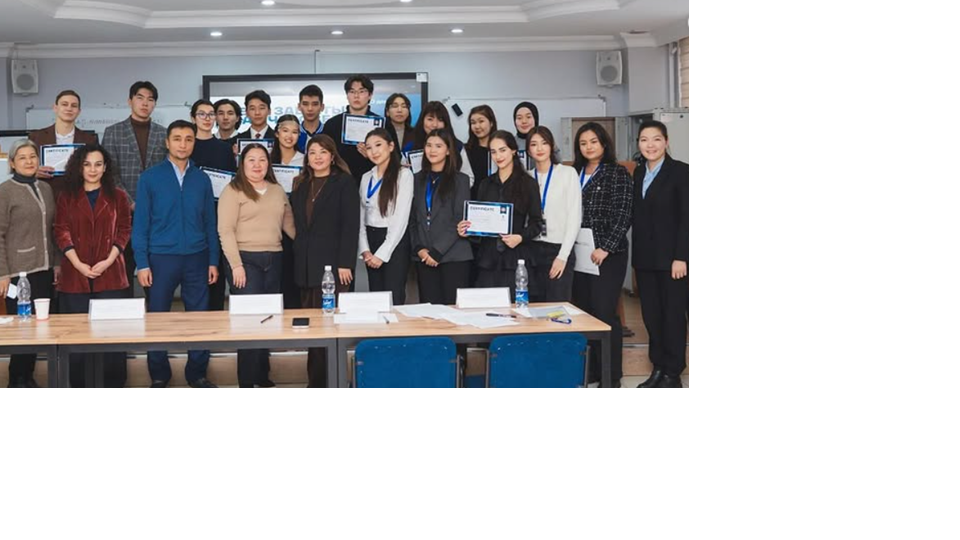
The topic of the presented research:
“Protection of Vulnerable Groups in Kyrgyzstan through Digitalization Tools: Analysis of Opportunities and Legal Risks.”
Summary of the presentation and conclusions:
In the report, I focused on the urgent issue of improving the effectiveness of protecting socially vulnerable groups (people with disabilities, the elderly, migrants, children in difficult life situations) through the use of digital technologies. Key points included:
Problem Analysis:
Barriers to access to information, government and social services, and justice for vulnerable populations.
Digital Solutions:
- Potential of mobile applications with adapted interfaces (for people with visual and hearing impairments)
- Online platforms for remote legal consultations and filing complaints
- Electronic document management systems to simplify bureaucratic procedures
- Specialized informational portals
Legal Challenges:
- Issues of digital inequality (digital divide)
- Insufficient cybersecurity of personal data
- Need to adapt legislation to recognize digital tools and ensure their accessibility
Recommendations:
- Development of a state program on “inclusive digitalization”
- Implementation of mandatory accessibility standards for digital government services
- Support for NGOs in creating specialized online human rights services
- Enhancing digital literacy among vulnerable groups
Benefits of Participation:
- Presented research results to a wide academic and professional audience
- Received valuable feedback and recommendations from legal experts
- Exchanged experiences and established professional contacts with students and faculty from other universities
- Deepened understanding of current legal issues in Kyrgyzstan
- Contributed to the development of scientific dialogue on an important socio-legal topic, emphasizing the role of technology in ensuring equality and justice.
Volunteer trip by students from the department to Kara-Balta with Fab Lab
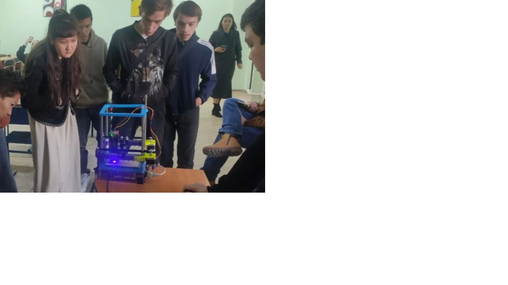
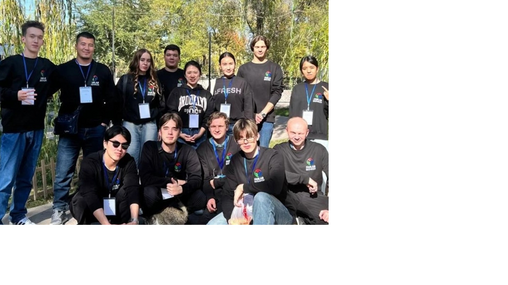
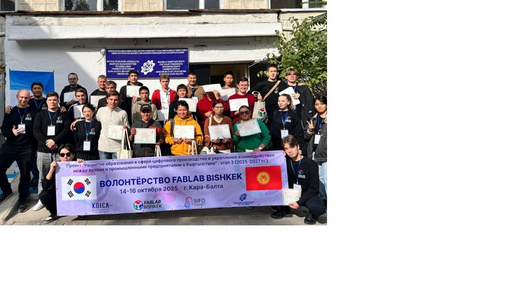
Volunteer Trip to Kara-Balta with Fab Lab
Participants: Students of group МиР-1-23
- Polina Zharkova
- Emir Zhumadilov
Purpose of the Trip:
The goal of the volunteer trip to Kara-Balta was to conduct educational workshops aimed at developing participants’ practical skills in modern digital technologies, particularly 2D and 3D design, as well as to introduce software used in engineering and design activities.
Trip Activities and Workshops:
The trip lasted three days, from October 14 to 16, 2025. As part of the volunteer program, educational workshops were organized and conducted.
- Day 1: Participants were introduced to the basics of 2D design. Topics included the fundamentals of vector graphics, the interface, and main tools of CorelDRAW. Participants learned to create simple graphic elements, work with shapes, text, and layers. The program MakerCase was also introduced, showing how to design cases and simple products for subsequent fabrication.
- Day 2: Focus was on preparing designs for laser cutting and engraving. Participants learned to import files, set cutting and engraving parameters, and prepare files for production. The practical session allowed them to consolidate knowledge and understand the full workflow—from idea to finished product.
- Day 3: 3D modeling sessions were conducted. Participants got acquainted with SolidWorks, learning the basics of 3D modeling, creating simple parts and assemblies. OrcaSlicer software was introduced for preparing models for 3D printing, including print settings, material selection, and quality parameters.
Conclusion:
The volunteer trip to Kara-Balta proved to be useful and significant for both participants and volunteers. The workshops not only provided knowledge but also contributed to the development of technical education and digital skills among school students. Similar events are recommended to be conducted in the future.